
Back-to-School Tips for Children With Special Needs
by
Holly Downs  Print This Article
Why Preparation Matters
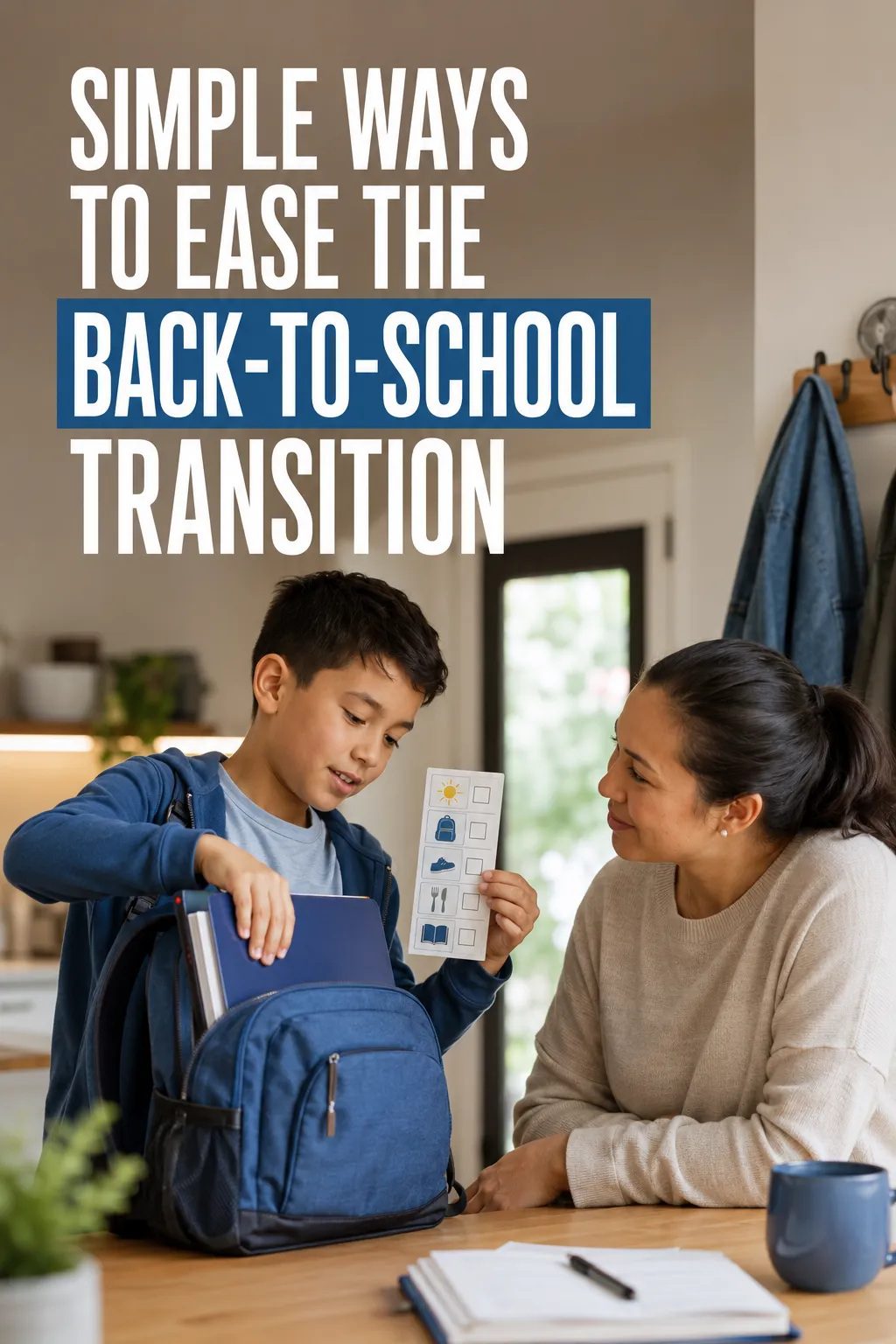
For parents of children with special needs, the transition back to school after summer break can be exciting but also challenging. Changes in routine, expectations, environments, and social demands may increase anxiety, behavioral concerns, or difficulty adjusting. Preparing gradually and proactively can help support a smoother transition and reduce stress for everyone.
This is because many children benefit from predictability, consistency, and routine. Sudden changes in schedules, expectations, environments, or demands can sometimes lead to emotional dysregulation, behavioral challenges, sleep disruptions, or difficulty participating in daily activities.
Returning to school after summer break often involves multiple simultaneous changes, including earlier wake-up times, increased social interaction, classroom expectations, transportation routines, and separation from parents. When these changes happen all at once without preparation, children may feel overwhelmed or uncertain about what to expect.
Proactive preparation will help reduce challenging behaviors that can occur when children feel overwhelmed, confused, anxious, or overstimulated. When we know what to expect and have opportunities to practice routines in advance, we are often better able to tolerate transitions, follow expectations, and manage stress!
Prepare the Whole Household
Preparation is equally important for parents and other family members. The return to school can create stress for the entire household, especially when balancing schedules, transportation, medical appointments, therapies, school communication, and emotional support for our children.
Planning ahead can help parents feel more organized, confident, and prepared to respond to challenges as they arise. It also allows families to identify potential barriers early, such as transportation concerns, sensory needs, communication supports, or behavioral strategies that may need to be coordinated with the school team before the first day.
Back to Routines
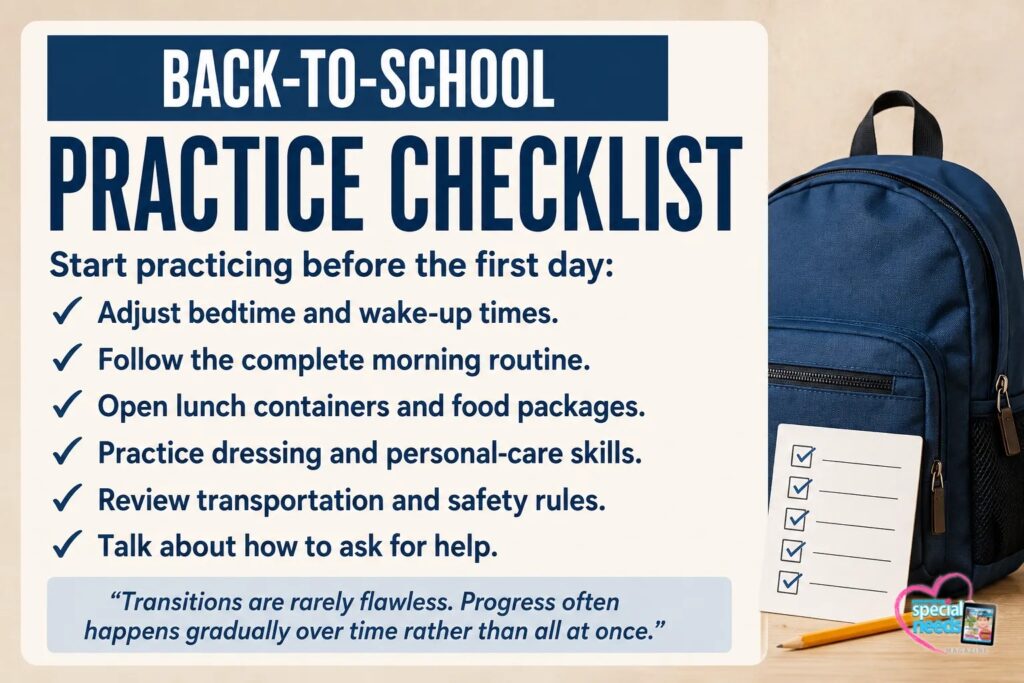
When preparing for the new school year, some of the most important areas to focus on include rebuilding routines, reviewing expectations, practicing skills, and communicating with the school team. Many children benefit from slowly adjusting sleep schedules and morning routines a few weeks before school starts rather than waiting until the night before the first day of school.
For example, parents may gradually move bedtime and wake-up times earlier by 15–30 minutes every few days until they match the school schedule. Practicing the full morning routine ahead of time can also help reduce stress and increase independence.
This may include waking up with an alarm, brushing teeth, getting dressed, packing a backpack, eating breakfast at the table, and leaving the house at a consistent time. Some children may benefit from visual schedules, timers, checklists, or picture cues to support transitions between tasks.

Practice School-Day Expectations
Reintroducing structured daily activities can also help children adjust to the expectations of the school environment. Examples may include practicing short periods of seated work, completing simple chores, participating in group activities, following one- and two-step directions, or transitioning between preferred and nonpreferred activities.
Parents can also review school-related expectations such as keeping hands to self, asking for help appropriately, waiting for a turn, lining up, or responding to a teacher’s instruction. Practicing these skills in small, positive ways at home or in the community can increase confidence and reduce anxiety once school begins.
Skills to Practice
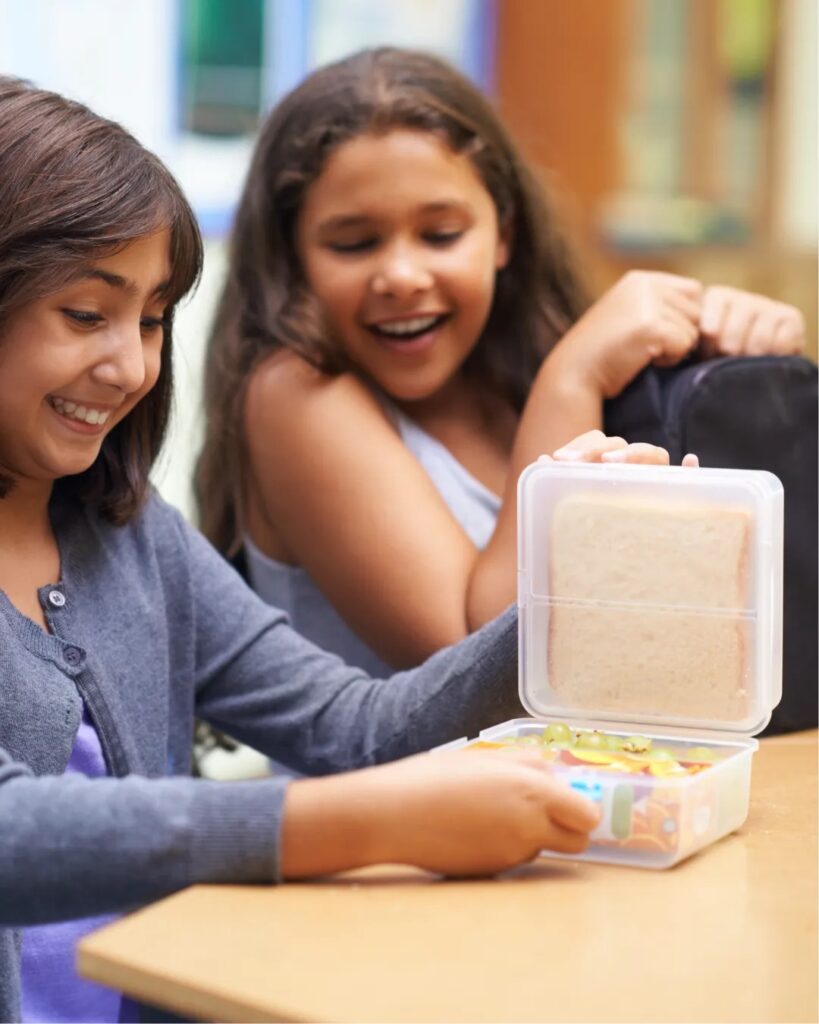
Reviewing self-care and adaptive skills before school starts may also support a smoother transition. For example, parents may practice opening lunch containers, using utensils, toileting routines, washing hands independently, putting on shoes and jackets, or carrying school materials.
If transportation is a concern, children may benefit from practicing getting on and off a bus, wearing a seatbelt, or following safety rules in parking lots and crosswalks. Consistency, positive reinforcement, and praise for successful participation can help children feel more prepared and comfortable as they transition back into the school routine.
It’s also important to practice communication skills, following instructions, tolerating transitions, dressing independently, following toileting and eating routines, and sitting for structured tasks. Reviewing behavioral expectations such as waiting, raising a hand, keeping hands to self, or asking for help can also be beneficial.
Review Safety and Sensory Supports
Safety skills are especially important during school transitions. Parents may want to review bus safety, stranger awareness, crossing streets, elopement prevention, identifying trusted adults, and communication strategies if their child becomes overwhelmed or lost.
If your child has sensory sensitivities, you can also begin preparing for increased noise, crowds, and classroom demands by practicing coping strategies or identifying sensory supports that may help.
Pulling in the Village
Communication with the educational and clinical team is another important part of school readiness. Sharing updated information about your child’s progress, medical needs, behavior changes, communication methods, motivators, triggers, sensory needs, or successful support strategies can improve consistency across environments and help staff better prepare for the child’s return to school.
Parents may also benefit from discussing goals with teachers, therapists, and other providers to ensure everyone is working collaboratively to support the child’s success across settings.
Coordinate Home, School, and Therapy
It is especially important for parents to encourage collaboration between private therapy providers and the school team whenever appropriate and permitted by the family. When these professionals communicate and coordinate care, it can help improve consistency in expectations, teaching strategies, communication systems, behavior supports, and reinforcement approaches.
For example, if a child uses a communication device successfully during private therapy sessions, sharing this information with school staff may help the child transition more smoothly into the classroom environment. Similarly, teachers may identify classroom challenges or successful interventions that can be incorporated into home- or clinic-based services.
Consistent collaboration across environments can help reduce confusion for the child, promote generalization of skills, improve problem-solving, and create a more unified approach to supporting academic, behavioral, social, and adaptive growth throughout the school year. There are also several online tools and resources parents can add to their toolkit to get ready.
Allow Time for Adjustment
Finally, it is important for parents to remember that transitions take time, and it is normal for children to need a period of adjustment when returning to school after summer break. Some children may transition back into routines quickly, while others may experience increased anxiety, emotional reactions, behavioral challenges, sleep difficulties, or resistance during the first several days or weeks of school.
Changes in schedules, social expectations, academic demands, and sensory environments can be overwhelming, particularly for children with special needs. Patience, consistency, positive reinforcement, and collaboration between parents and professionals can help support a successful return to school while promoting independence, confidence, and emotional regulation.
Give Yourself Grace
It is equally important for parents to give themselves grace during this transition period. Supporting a child with additional needs while balancing work, family responsibilities, appointments, and school expectations can be physically and emotionally demanding.
Parents may feel pressure to ensure every routine, behavior, or school preparation step goes perfectly, but transitions are rarely flawless. Some mornings may feel smooth, while others may involve stress, tears, forgotten items, or difficult behaviors. That does not mean the parent or child is failing! Progress during transitions often happens gradually over time rather than all at once.
Children often benefit most when the adults supporting them feel encouraged, supported, and empowered as well. By approaching the transition with flexibility, compassion, and patience for both our children and ourselves, we can help create a more positive and successful start to the school year!
About Our Experts
Holly Downs, BCBA, LBA, is the Compliance Director at PBS Corp and an instructor at the Florida Institute of Technology. She has over 15 years of experience in ABA, and specializes in parent coaching, teaching, and delivering direct therapy for individuals with comorbidities.

This article is featured in our current digital issue. Explore the full issue here.