Transitions & Life

Man in a suit and glasses with his arm around a smiling boy in a collared shirt. 0

The Planning Steps Families Wish They Had Taken Sooner

Special needs families often put off future planning, but one misinterpreted behavior can lead to life-altering consequences. Consider creating a safety plan outlining your child’s daily routines and calming strategies to prevent misunderstandings. Start by identifying potential triggers and developing a crisis communication plan with emergency contacts.

Four students review a blueprint, one in a wheelchair. 0

Planning for a Lifetime: Skills That Help Our Children Grow Into Adulthood

Building a Strong Foundation: Everyday Skills for a Brighter Future.” Everyday skills like getting dressed, preparing meals, or using technology might seem simple, but they’re crucial for long-term independence and confidence. By teaching these skills early on using evidence-based ABA strategies, parents can help their children develop a strong foundation for adulthood.

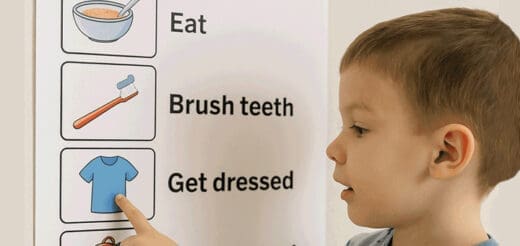
A child points to a visual schedule with icons for eating, brushing teeth, and getting dressed. 0

Back-to-School Success: How to Build a Visual Schedule That Works

Adjusting to a new Back-to-School schedule can be overwhelming. For families with special needs children, everyday transitions can feel daunting. A visual schedule can simplify life by creating a clear step-by-step plan. Imagine a child who can’t read yet but knows they need to eat breakfast, brush their teeth, and get dressed.

Child and Santa Claus with text "SANTA TALK TIPS FOR YOU 0

Navigating the Santa Conversation with Special Needs Kids?

Navigating the holidays can feel overwhelming when traditions don’t fit perfectly. Having a gentle santa claus conversation for special needs children creates connection. Try focusing on simple tips for holiday santa beliefs with kids to ensure your season remains magical and joyful.

A young woman looks at her phone as stylized app icons float around her. 0

Technology to Ease into Transitions

Transitions feel big, but small steps help. Use transition apps for youth adults preparing independence to build confidence. Try organizing digital documents together today. You are building a bright, capable future.

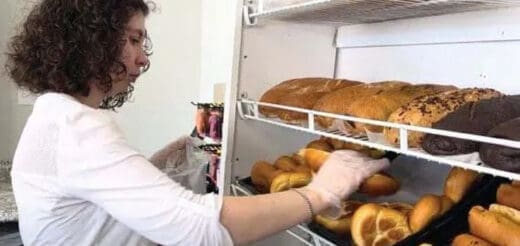
Baker in white shirt and gloves arranges loaves of bread on shelves. 0

Transition Planning: Person-Centered Planning

Creating a person-centered plan with your child can be a powerful tool, helping you navigate their unique journey and advocate for needed support and services. This collaborative process considers your child’s strengths, interests, and aspirations, and can be done with or without school assistance.

Abigail Krevsky wearing glasses and a light blue shirt. 0

Meet Abigail Krevsky

At Nour Coffee Shop, busy barista Abigail Krevsky’s “Always Try” mindset helps her juggle orders and make new friends. When faced with a tricky drink order, she breaks it down, listens carefully, and gives it her best shot.

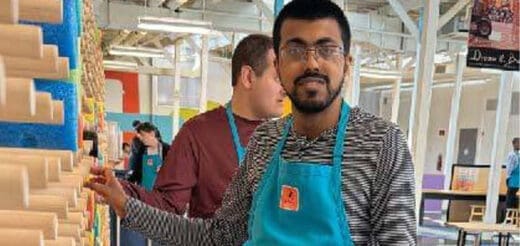
Man wearing glasses and a teal apron smiles at the camera. 0

Transition Planning: Interest Profile

When transitioning from high school to adulthood, it’s essential to explore your child’s interests and vision for the future. Ask open-ended questions like “What is your dream job?” or “What activities make you happy?” to help identify their strengths and passions.

Man in glasses reads document while standing near a computer monitor. 0

Meet Matt

Training for Success: Adding Postage to a Certified Letter Life after high school can be overwhelming, especially when it comes to job training and certification. But with the right support, individuals with special needs can thrive.

Secret Link