Therapy

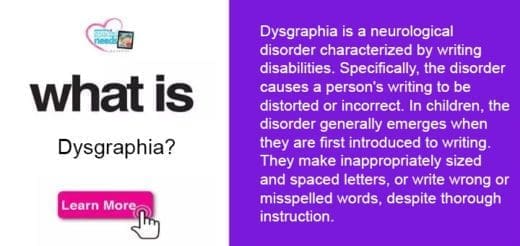
What is Dysgraphia? text with a definition of the disorder 0

What is Dysgraphia?

Dysgraphia: Understanding the Writing Differences A neuropsychologist uses a multidisciplinary approach to diagnose dysgraphia. This condition involves difficulty with handwriting due to sensory or motor factors. Unlike dyslexia, which affects reading skills, dysgraphia is specifically a writing challenge linked to neurological differences like ADHD.
Text and illustration explaining intellectual disability with a "Learn More" button. 0

What is an Intellectual Disability?

Understanding Intellectual Disability: Navigating Developmental Differences Welcome to our supportive corner for parents navigating the journey of raising children with developmental differences, including intellectual disabilities like mild cognitive impairment symptoms and developmental disorders case studies. It’s a path filled with unique challenges but also profound moments of joy and growth. What is an Intellectual Disability?

Text defining spina bifida and a button to learn more. 0

What is Spina Bifida?

Spina Bifida causes are complex, yet understanding them can empower parents-to-be with knowledge about neural tube defects and prenatal care. While the exact cause remains unclear, genetics and environmental factors likely play a role.

Family with a child outdoors, celebrating 0

Embracing Your Child’s Best Ways of Learning 12 Different Ways to Learn

Best Ways of Learning: Every parent knows their child is unique in how they learn best. Some kids thrive with visual aids like pictures and diagrams, while others prefer listening to instructions or hands-on activities that engage all senses. Understanding these different learning styles helps you create a personalized approach.

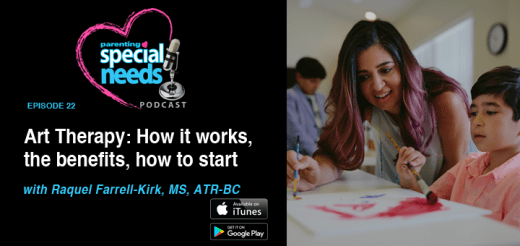
Raquel Farrell-Kirk, MS, ATR-BC, smiles while guiding a child's art project. 0

Art Therapy: How It Works, the Benefits, How to Start

Art Therapy Benefits & Basics Unlock the healing power of creativity with art therapy! This mental health powerhouse uses artistic expression to foster growth, explore emotions, and develop coping skills across all ages. Ready to tap into your inner artist for better well-being? Stick around – you won’t want to miss these game-changing benefits.

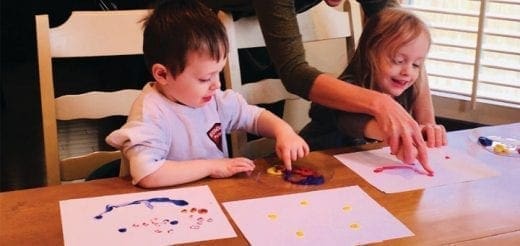
Two children painting at a table. 0

Ready, Set, Paint! Art Therapy at Home

Art therapy opens doors, letting children with special needs paint their emotions onto the canvas. From soothing hues that calm anxiety to vibrant strokes expressing joy, art becomes a language of its own. It’s not just about creating; it’s about feeling heard, seen, and understood.

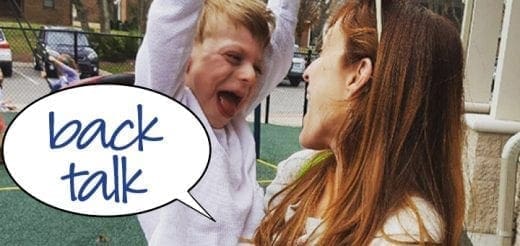
Child yelling with speech bubble saying "back talk" near a woman. 0

Back Talk: 5 Ways to Help Your Child Practice Communication Skills at Home

Make Communication Fun Playful games mirror what your child enjoys at school, turning talk into a treasure hunt. Join the fun with incentives like jelly beans or extra screen time, keeping motivation high and barriers down. Your kid’s confidence will soar when they see themselves as great communicators!

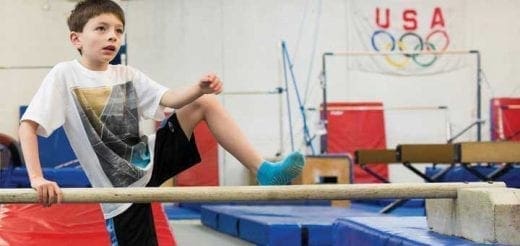
Young boy practicing gymnastics on a bar in a gym. 0

Looking for a Fun Family Exercise? How About Parkour!

Discover How Your Family Can Embrace Adventure Through Special Needs Parkour Unleash unbreakable bonds as your child conquers obstacles with newfound strength alongside kin. Our Boulder-based program pairs super-powered parents with skilled coaches to make every leap, climb, and vault a family affair—turning everyday life into an epic showdown of limits.

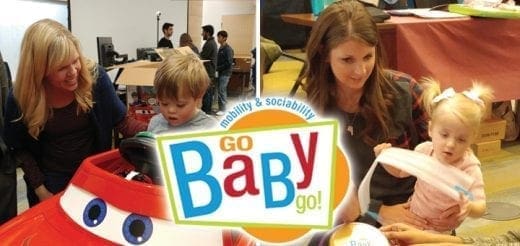
Go Baby Go! Mobility & Sociability logo with children and adults. 0

Go Baby Go! Mobility & Sociability

Two young kids, Mason and Paisley, transformed their lives through adaptive riding toys, learning to play with others despite disabilities. “Go Baby Go” volunteers modified regular ride-on toys so children like them could join in games, showing families that even limited mobility doesn’t mean missing out on everyday joys.

Secret Link