Take Your First Steps With Early Steps
Take your first steps with Early Steps The welcoming of a new child can bring parents a plethora of emotions. Who will they look like? How can we best care...

Take your first steps with Early Steps The welcoming of a new child can bring parents a plethora of emotions. Who will they look like? How can we best care...
Hi there! Here are some warm, supportive WordPress excerpts on highlighting IEPs in various colors to help parents quickly see strengths, areas for growth, and key concerns: Lesson 1: Color-Coding Your Child’s IEP Start by reading your child’s draft IEP. Use colored highlighters—think red, yellow, blue—to mark thoughts like “great progress” or questions.
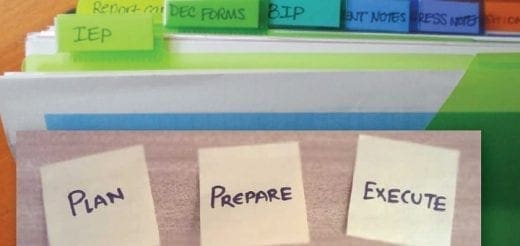
Preparing for meetings can feel overwhelming. You deserve to feel confident and ready. Request eval reports and draft IEPs in advance to review them calmly. Being prepared helps you advocate beautifully.
Navigating IEP meetings doesn’t have to feel like running a marathon. Start by gathering your notes calmly, focus on key points for your child’s unique needs, and don’t hesitate to ask clarifying questions—it’s all about teamwork! Remember, each step you take prepares you and your family better for the journey ahead.
Be Prepared Fifteen years ago, we had no voice … and didn’t even know we needed one! Boy, were we wrong! Not knowing the IEP process, the verbiage, or our rights (in the Procedural Safeguards) was a detriment. But that’s hindsight!
Preparing for an IEP meeting can ease anxiety significantly. Start by requesting a draft IEP well before the scheduled date, then highlight your key concerns to transform them into targeted questions. Know your child’s strengths and weaknesses, ensuring they’re accurately reflected in present levels – a crucial update from prior evaluations.
Discover invaluable Parent Support Tips for Raising Children with Visual Impairment! Learn practical family resources, gain guidance on navigating educational services like IDEA law, and empower your child’s future through specialized programs. Why wait? Unlock the secrets to supporting your visually impaired child today!
Firstly, know that you’re allowed – encouraged even! One parent or more should be sitting at that table as equals. Don’t let intimidation tactics convince you otherwise. Secondly, remember: Your presence isn’t just about showing up; it’s an opportunity for meaningful participation. Being present gives parents leverage to advocate effectively.
Navigating conflict in special education can feel overwhelming. But there are strategies you can use to find resolution: First, consider meeting with your school team alone first before escalating to bring advocates or attorneys. Familiarize yourself with federal protections under IDEA and state laws. Document all meetings and communications meticulously.
Why Choose Least Restrictive Environment? You want your child in regular classrooms as much as possible but need guidance on this.