
Social Skills

Four students review a blueprint, one in a wheelchair. 0

Planning for a Lifetime: Skills That Help Our Children Grow Into Adulthood

Building a Strong Foundation: Everyday Skills for a Brighter Future.” Everyday skills like getting dressed, preparing meals, or using technology might seem simple, but they’re crucial for long-term independence and confidence. By teaching these skills early on using evidence-based ABA strategies, parents can help their children develop a strong foundation for adulthood.


5 Social Thinking Tips for Stress-Free Holidays 0

5 Social Thinking Tips for Stress-Free Holidays

Holiday gatherings can feel overwhelming when routines shift. Use these social tips for holiday stress to find balance. Focus on holiday planning for children with special needs by setting quiet, cozy retreats.

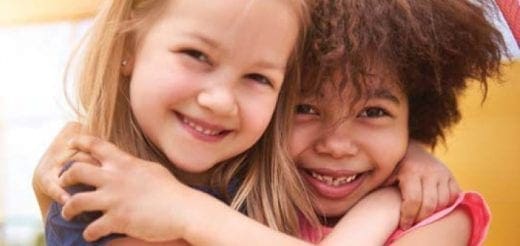
Two young girls hugging and smiling. 0

5 Tips to Help Your Child with Special Needs Make Friends

Teach Your Child with Special Needs How to Make Friends Friendship makes life sweeter for everyone. Kids with special needs deserve opportunities to bond with others too. 1. Ask Questions. Help your child practice asking “why?” and other curiosity-provoking questions through fun games like journalism role-play. 2. Practice Eye Contact.

Two young girls smiling while wrapped in blankets. 0

Five Ways to Cultivate Friendships

Be Your Child’s Friendship Champion: Intentionally invite their peers over for playdates or arrange group outings that align with your child’s interests. Make it easy by preparing activities and a comfortable space tailored to your child’s needs. 2.

Young man in a green polo shirt with a beaded necklace looks to the side. 0

LIFE SKILLS: The Importance of Asking Questions for Those with an ASD

Unlocking Independence: Strategies for Promoting Effective Communication in ASD Individuals As a counselor supporting neurodiverse individuals, I’ve witnessed firsthand how simple daily tasks like making phone calls or navigating choices can become significant hurdles for those on the autism spectrum.

Four men playing basketball during a game. 0

Unified Sports: A Great Way to Start Inclusion in a Fun and Positive Way

Unified Sports: Bringing People Together for Inclusion, Respect, and Fun Want to learn how Unified Sports programs unite people with and without intellectual disabilities through sports? Explore our exclusive insights from Oregon and Florida programs, revealing their incredible impact on building inclusion, mutual respect, and lasting friendships.

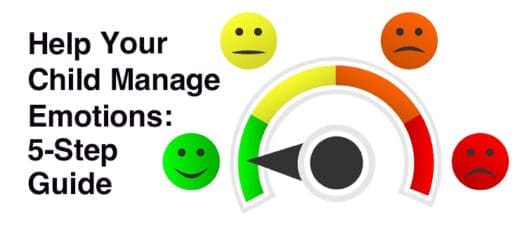
Help Your Child Manage Emotions: 5-Step Guide 0

5 STEPS TO HELP YOUR CHILD MANAGE EMOTIONS

Teach Your Child Emotion Management in 5 Powerful Steps 1⃣ Recognize the Feeling Identify Feelings Help kids learn to spot emotions by watching movies together and talking about characters’ moods. Share your own feelings (“I felt anxious when…”) so they can practice labeling their own.

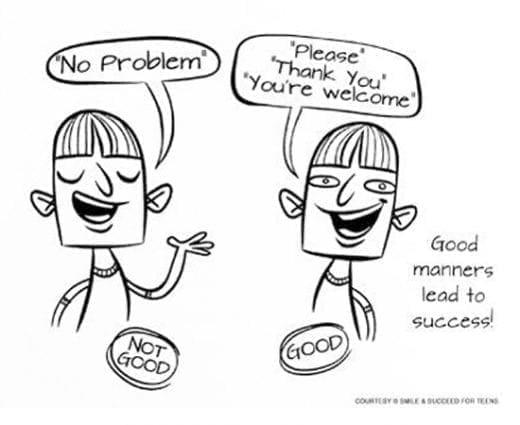
Two cartoon figures demonstrating good and bad manners. 0

Say Please and Thank You

Remember, “Please” opens doors to what you want while “Thank You” paves the way for gratitude. Embrace these simple words—it’s good manners never go out of style! Show appreciation sincerely; your genuine thanks can make all the difference, even when saying “No.” Whether through a call, card, or letter, express thankfulness promptly.

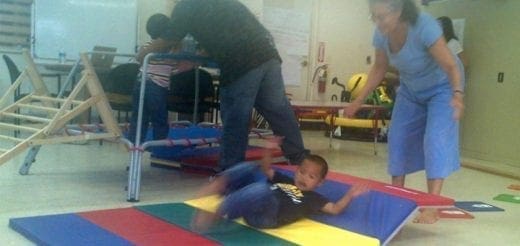
A young boy lies on a colorful mat while adults stand nearby. 0

Social Club Extends Inclusion Beyond the Classroom

Why mainstreaming worked wonders – and where it hit bumps Discover how diverse preschool classrooms changed lives, giving typical kids empathy skills while letting atypical peers feel like part of the group. But also learn about challenges when differences make participation harder. A balanced look at inclusion’s impact on children with special needs.

Secret Link