
Eric Chessen

Red alarm clock with a yellow sticky note that says "break 0

I Want Break! A Nod to My Athletes with Autism

Why Breaks Matter: A Simple Path to Joy in Movement For many autistic children and teens, adding structured movement can feel like an overwhelming task—until you offer them a break. Providing meaningful opportunities for exercise is about more than just physical health; it’s woven into the fabric of building joy through activity.
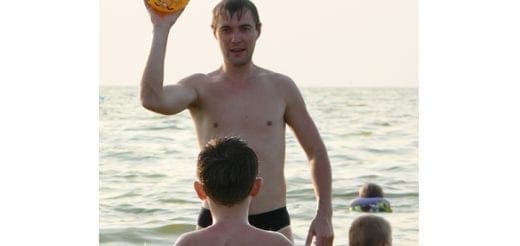
Man holding a ball with two children in the water. 0

Fitness Challenge: Follow-up and Follow-through

Unlock the power of fitness for children, teens, and adults on the autism spectrum! This comprehensive guide explores how tailored exercise programs can support development, improve behavior, and enhance quality of life. Discover practical strategies to make fitness enjoyable and accessible, overcoming common barriers parents face.

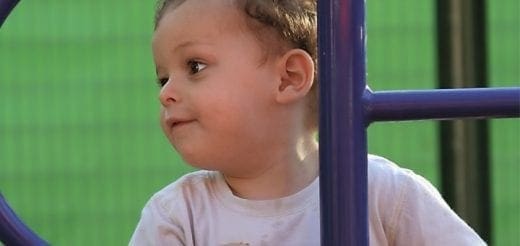
Young child in a white shirt on a playground structure. 0

Fitness Challenge

Unlock Your Potential: Transforming Fitness for Special Needs | Discover How You Can Impact Lives Dive into fitness insights crafted specifically for special needs challenges. This isn’t just another guide—it’s your direct path to making a difference in someone’s life through tailored exercises that nurture growth and strength.

12 Special Needs Fitness Tips for 2012 0

12 Special Needs Fitness Tips for the New Year

Unlock Joyful Fitness for Special Needs Kids This Year: Discover engaging tips and year-round programs to keep your loved ones moving with enthusiasm and health! From short bursts of activity to sneaky veggies at the table, these 12 hacks guarantee fitness fun without the struggle.

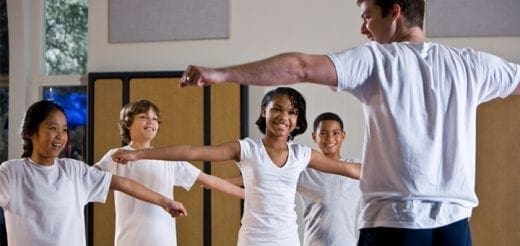
Instructor leading a physical education class with four students. 0

The New Rules Of Adaptive P.E.

Why Embrace Adaptive Physical Education for Autism Spectrum Students? Discover why traditional P.E. often falls short for children with autism, and how specialized adaptive programs can unlock their potential through tailored movement activities designed to meet unique learning needs.

5 Ways Fitness can Improve Autism Symptoms 0

5 Ways Fitness Can Improve Autism Symptoms

Discover how fitness can transform autism symptoms for children and adults alike. Regular exercise improves self-esteem, social skills, and cognitive function while preventing preventable diseases. Start small – just one or two enjoyable activities a day to build confidence and movement gradually.

Three people jump in the air against a clear blue sky. 0

Fitness as a Gateway to Independence

Fit for All: How Fitness Transforms Special Needs Independence Discover how fitness breaks down barriers, sparks camaraderie, and unlocks lifelong skills in autism spectrum programs. Our research proves it works – from chaotic beginnings to coordinated breakthroughs. Imagine your child not just exercising, but finding freedom through movement.

A white figure stands in front of a large red question mark, arms crossed. 0

Autism and Ability Success in Anything Doesn’t Just Happen

Unlocking Skills for Children with Autism: A Guide to Adapted Learning Strategies Dive deeper into tailored approaches for sensory processing challenges autistic skills and adaptive cognitive skill development strategies that transform learning difficulties into achievable milestones.

Words "what, why, when, where, who & how" in blue and green text. 0

4 Exercise Progressions, 5W’s, and an H

Squats are one of the four foundational exercises introduced in the PAC Profile Assessment Toolbox, crucial for developing essential mobility and stability. By starting with squats, educators can address common physical challenges, such as poor posture and sedentary lifestyles, while tailoring fitness programs to meet individual needs across ability levels.

Secret Link