
Advice

Explanation of dysphagia with text and a "Learn More" button 0

What is Dysphagia?

Struggling with swallowing? It’s a tough road for kids with CP like yours. Dysphagia makes eating and drinking unsafe—which can lead to serious health issues if left untreated. Learn how to spot the signs of difficulty swallowing in children living with neurological conditions, so you can protect your little one’s safety and well-being.


Child biting into a red apple while another child looks on. 0

Handling a Special Diet at School

Ensure Their Safety: Control Your Child’s Diet at School Managing a special diet for children is overwhelming yet achievable with proper planning. One essential step? Getting legal documentation like an IEP or 504 into place so schools legally can’t ignore your child’s unique needs. Why does this matter?

The word "Diagnosis" written in red with a green checkmark pattern behind it. 0

How Do You Talk to Your Child About Their Diagnosis?

Open Conversations About Autism Diagnosis: How to Start Talking with Your Child Navigating the complex topic of autism can be overwhelming for parents. Neuropsychologist Dr. Marie Van Tubbergen emphasizes the importance of breaking down this conversation into manageable parts, allowing your child to lead discussions that focus on their own experiences and questions.

Young girl sweeping with a dustpan and brush. 0

Gaining Independence Comes With a Price

Build independence: set boundaries online while still monitoring carefully, guide instead of hand-hold through challenges, trust judgment but engage in thoughtful discussions—key strategies for nurturing self-reliant teens who feel empowered to make responsible choices both digitally and in life.

A young boy with arms outstretched in front of a chalkboard with a graduation cap drawn on it. 0

Helping Your Child Be An Independent College Student

Believe in their ability to handle new challenges. They don’t wait for instruction; instead they proactively look for answers. Fostering independent living skills supporting your special needs teen Teaching kids self-awareness and emotional regulation early strengthens foundations for independence that unlock college opportunities. By nurturing confidence and competence, parents ignite passion to overcome academic hurdles.

Three people jump in the air against a clear blue sky. 0

Fitness as a Gateway to Independence

Fit for All: How Fitness Transforms Special Needs Independence Discover how fitness breaks down barriers, sparks camaraderie, and unlocks lifelong skills in autism spectrum programs. Our research proves it works – from chaotic beginnings to coordinated breakthroughs. Imagine your child not just exercising, but finding freedom through movement.

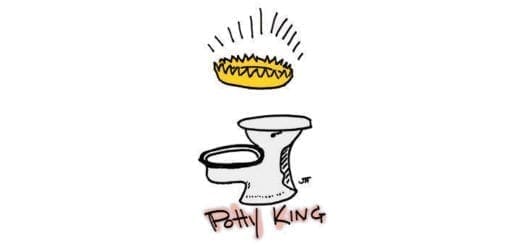
Toilet with a crown above it and the words "Potty King" below. 0

The Scoop on Poop A Plan for Independence

Embarking on the “path of poop” with your child with special needs may feel like an arduous eight-year journey, but remember: perseverance turns obstacles into milestones. You’re not alone in this struggle—many parents share similar battles over basic functions that seem simple to others.

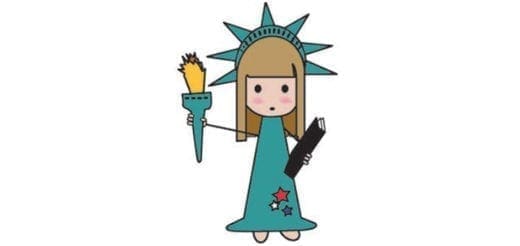
Illustration of the Statue of Liberty holding a torch and a tablet. 0

Baby Steps Tips for Encouraging Your Child Toward Independence

Guide Your Child’s Independence: Simple Steps for Self-Reliance Small steps pave the way to big independence. Encourage self-reliance with these proven strategies: 1. Teach Communication Tools: Equip your child with sign language or picture boards to express needs and wants, enhancing their ability to advocate for themselves. 2.

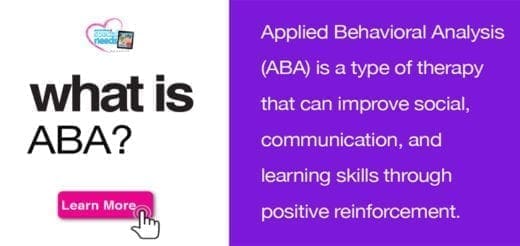
What is ABA? Applied Behavioral Analysis (ABA) is a therapy that improves social, communication, and learning skills. 0

What is ABA, Now Really?

Discover How Applied Behavior Analysis Can Transform Your Child’s Life: Unlock Practical ABA Strategies for Autistic Children Today!

0

Organizing Closet Chaos!

Declutter your closet with these practical tips for a tidy bedroom storage space. Clear out clothes you haven’t worn in a year, opting for sleek hangers that maximize vertical organization. Use shelf dividers to easily separate shirts, pants, and more, keeping your tops and bottoms neatly lined up.

Secret Link