Supported Decision-Making: Preserving Rights, Building Independence, and Rethinking Guardianship
by
Chantai Snellgrove  Print This Article
Supported by Tranquility®
Families of children with disabilities are often told—sometimes quickly—that guardianship is the “responsible” next step as adulthood approaches. For many parents, that recommendation comes wrapped in fear: What if my child is taken advantage of? What if I can’t protect them? What if something goes wrong?
But what if protection doesn’t have to mean giving up rights?
Supported Decision-Making (SDM) offers families another path—one that honors autonomy, builds skills, and recognizes that everyone relies on support to make decisions. Rather than replacing a person’s voice, SDM strengthens it.
In this expert Q&A, Alie Springgate, MSW Director of Advocacy for AbleSC explains what Supported Decision-Making really looks like in practice. She addresses common misconceptions, legal realities in South Carolina, and how families can begin honoring choice-making long before adulthood.
Family-Focused Questions
How do you define supported decision-making, and why is it so important for people with disabilities?
Supported Decision-Making, or SDM, is a framework in which a person with a disability remains the decision-maker in their own life and chooses trusted supporters to help them understand options, weigh risks, and communicate their decisions. The key difference is that authority stays with the person, not with someone else.
It’s important because decision-making is a fundamental human right. When people are denied that right—often through guardianship—it impacts their dignity, autonomy, and long-term independence. SDM is the preferred alternative to guardianship because it recognizes that everyone uses support to make decisions, and people with disabilities deserve the same respect and opportunity. In reality, guardianship is often unnecessary because there are many less restrictive alternatives, including Supported Decision-Making.
What are some of the biggest misconceptions families have about SDM compared to guardianship?
One major misconception is that SDM means “no protection” or “no support.” In reality, SDM is highly structured and often safer than guardianship because it is individualized and transparent.
Another misconception is that guardianship is easy to undo. Families are often surprised to learn that once rights are removed, they are very difficult to restore. SDM allows families to support their loved one without taking rights away in the first place.
Why do you believe SDM is a better or more empowering alternative for many individuals?
Supported Decision-Making (SDM) leads to better long-term outcomes for both the individual and their family.
Unlike guardianship, SDM builds decision-making skills instead of replacing them. Over time, individuals often become more confident, better communicators, and more engaged in real-world situations such as medical appointments, employment, and managing money. When people are supported to participate in decisions early, they often need less intensive support later—not more.
From a family perspective, SDM is also far less burdensome. Families avoid court proceedings, ongoing legal fees, and annual reporting requirements that can be stressful and difficult to navigate. SDM also offers flexibility: support can increase during challenging periods and scale back as skills grow. Guardianship, by contrast, is often all-or-nothing and can result in a permanent loss of autonomy, even when someone gains capacity over time.
We also see less family conflict with SDM. Clear roles, shared expectations, and open communication reduce power struggles and resentment. Instead of disagreements about control, families work together around support.
Most importantly, SDM challenges the idea that disability automatically means someone cannot make decisions. Everyone uses support. SDM simply formalizes that support in a way that promotes growth, independence, and better outcomes.
Family-Focused Questions
What signs can families look for to know their loved one is ready for Supported Decision-Making?
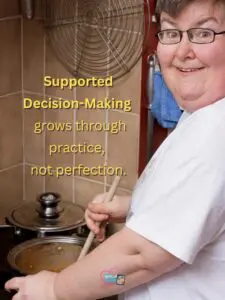
Readiness does not mean perfection. A person is ready for Supported Decision-Making when they are expressing preferences or opinions in any way they communicate. Someone does not have to communicate verbally to communicate readiness. Asking questions or wanting to be involved are also strong indicators.
Learning from mistakes is a vital part of SDM—it is part of the human experience. We call this the “dignity of risk.” Families should ensure their loved one has opportunities to learn from mistakes and grow independence skills. Readiness grows through practice, not before it.
What first steps should a family take if they want to transition from guardianship to SDM?
Families should reach out to their local Center for Independent Living or a disability rights advocacy organization, as well as a trusted attorney with experience in disability advocacy. These supports can help families explore less-restrictive alternatives and understand their options.
At the same time, it’s important for the person with a disability to reflect on questions such as: What decisions do I already make? Where do I want more independence? What supports actually help me?
What does a strong SDM agreement typically include?
A strong agreement clearly outlines:
- The decisions the person wants support with
- Who their supporters are
- What kind of support is helpful
- How the person communicates preferences and decisions
- That the person remains the final decision-maker
While an SDM agreement is not legally required, having this information in writing can build trust with professionals and systems.
What are some simple, everyday ways parents can honor choice-making at home?
Offer real choices rather than simple “yes” or “no” options.
Allow natural consequences to happen. Home is one of the safest places to learn from mistakes and build skills that support adulthood.
Involve your child in appointments and planning meetings, including IEP meetings. Transition planning begins early, and young people should be supported to direct that process.
Respect a “no,” even when it’s inconvenient.
These small moments, repeated over time, build lifelong decision-making skills.
If SDM feels overwhelming, start small.
- Notice where your loved one already expresses preferences
- Ask one question: What decisions do you want more say in?
- Reach out to a disability-led organization or the Center for Independent Living
SDM is intended to fit seamlessly into everyday life. Supporters can help explain information, attend meetings, or compare options—but the individual remains in the driver’s seat.
For example:
- A supporter might help explain medical risks
- A job coach might help compare employment options
The decision still belongs to the person.
How can families balance safety concerns with promoting independence through SDM?
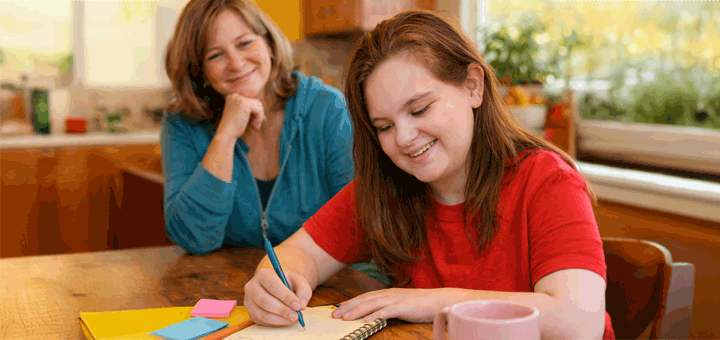
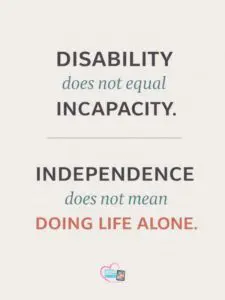
Safety and independence are not opposites, and independence does not mean doing everything alone. A more accurate word is interdependence. All humans rely on others—doctors, family members, friends, mentors—when making important decisions.
SDM allows families to manage risk collaboratively rather than trying to eliminate it entirely. The goal is not to prevent all mistakes, but to prevent serious harm while still allowing learning, growth, and confidence-building. When families focus only on control, decision-making skills never develop. When they focus on support, skills grow over time.
This is where dignity of risk matters. Growth requires opportunity, and opportunity always includes some level of risk. SDM provides a way to honor autonomy while still offering meaningful support.
What role do schools or transition programs play in developing decision-making skills?
Schools play a critical role in preparing young people for adulthood. Transition planning should focus on building decision-making capacity rather than replacing it.
When students meaningfully participate in their IEP meetings—by setting goals, expressing preferences, and helping guide planning—they gain confidence and real-world skills. When they are excluded, we miss one of the most important opportunities to prepare them for adult life.
Research and lived experience show that guardianship can negatively impact postsecondary education, employment, and independent living outcomes. Schools should never recommend guardianship. Instead, they should encourage families to explore less-restrictive alternatives and assume competence while building supports.
Education is essential. Professionals often recommend guardianship simply because they are unaware of alternatives. Disability advocacy organizations play a critical role in training systems and empowering families to understand and assert their rights.
SDM is intended to fit seamlessly into everyday life. Supporters can help explain information, attend meetings, or compare options—but the individual remains in the driver’s seat.
For example:
- A supporter might help explain medical risks
- A job coach might help compare employment options
The decision still belongs to the person.
Related Reading:
What Supported Decision-Making Really Looks Like: 3 Real-Life Success Stories
Tranquility® is proud to serve as the 2026 Daily Living & Caregiving Anchor Sponsor for Parenting Special Needs, supporting families with solutions for challenging incontinence care needs.
About the Expert
Alie Springgate, MSW
Director of Advocacy, AbleSC
Alie has a Bachelor’s degree in Secondary English Education from Anderson University and a Master’s in Social Work from Walden University. Outside of her disability rights advocacy work, Alie enjoys life with her husband and three children.
Website: www.able-sc.org
Connect with AbleSC:
Facebook| X (Twitter)| Instagram | LinkedIn
Subscribe to AbleSC updates at:
www.able-sc.org