What Supported Decision-Making Really Looks Like: 3 Real-Life Success Stories
by
By Parenting Special Needs Magazine, in collaboration with South Carolina Supported Decision Making  Print This Article
Supported by Tranquility®
Supported Decision-Making (SDM) is built on a simple but powerful idea: people with disabilities have the right to make their own decisions, with support when needed. Instead of removing rights through guardianship, SDM surrounds individuals with trusted people who help them understand choices, weigh options, and move forward with confidence.
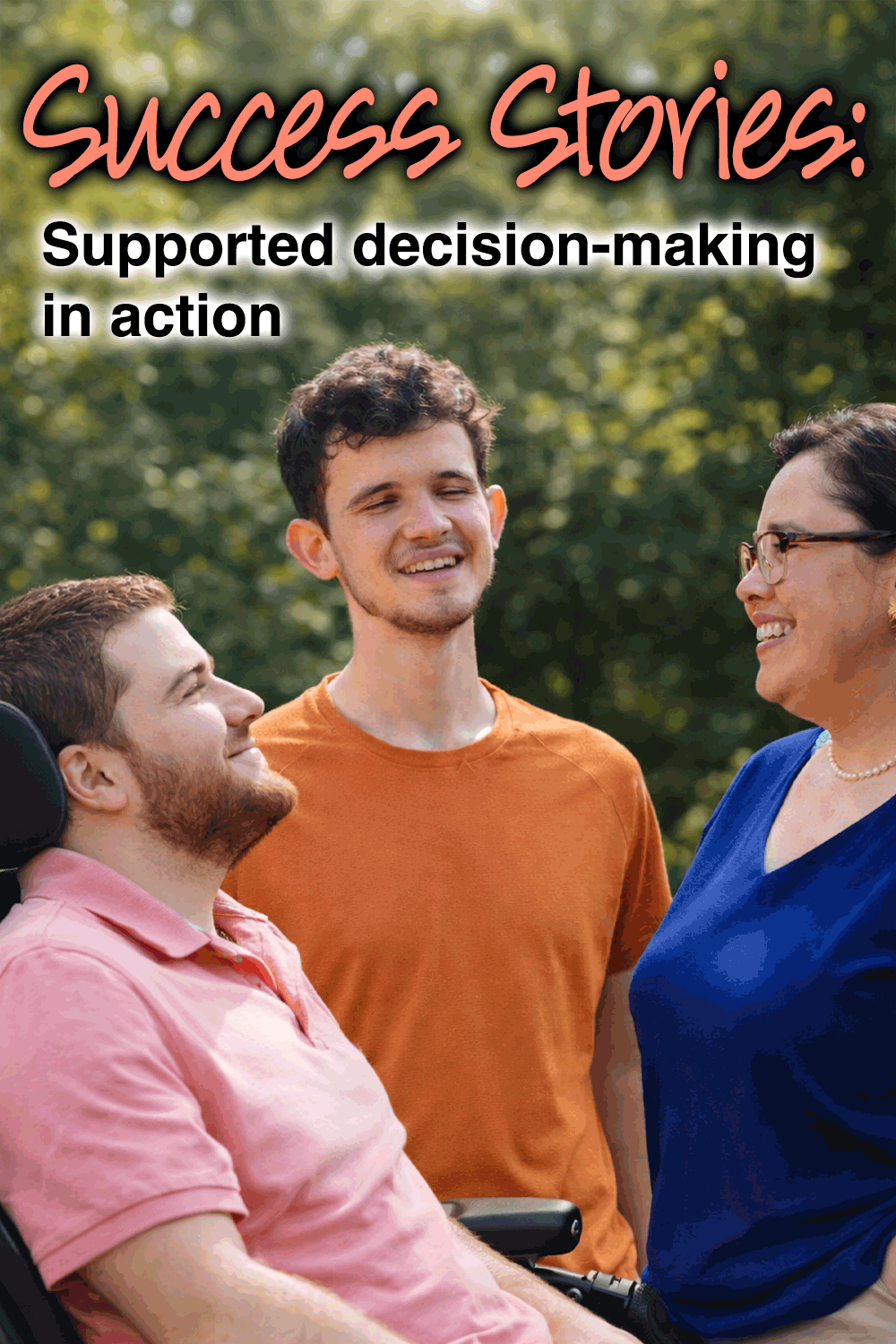
These success stories show what SDM looks like in real life. Each person uses support in a different way, but all of them demonstrate that independence grows stronger when it is supported, not taken away.

Meet Barrett, 20
A Little About Barrett
Barrett enjoys reading, podcasting, and watching sports. He lives with Cerebral Palsy and Cortical Vision Impairment, and like many young adults, he values his independence while also recognizing that no one has to navigate life alone.
Why Supported Decision-Making Matters to Him
Barrett sees SDM as a way to avoid serious mistakes by leaning on people he trusts when decisions feel overwhelming or complicated. It reminds him that he doesn’t have to be an expert in everything to make smart, thoughtful choices.
SDM in Action: Healthcare
One area where SDM has made a powerful difference for Barrett is healthcare, especially with insurance claims. Insurance systems can be confusing, and even small errors can have long-term consequences. With guidance from people who understand the process, Barrett feels more secure knowing he is protecting his future and making informed decisions about his care.
What His Story Shows
Barrett’s experience shows that Supported Decision-Making doesn’t take away independence—it strengthens it. With the right support, he moves forward with confidence, clarity, and peace of mind.
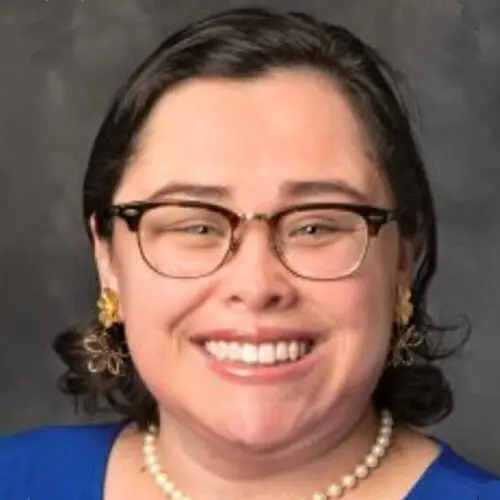
Meet Ruth, 29
A Little About Ruth
Ruth is an avid reader and writer who loves listening to music, traveling, shopping, watching hockey and football, and spending time with friends. She is autistic and has cognitive learning differences and low muscle tone. Ruth brings intention and self-awareness into how she approaches her goals and relationships.
Why Supported Decision-Making Matters to Her
For Ruth, SDM is about empowerment. It allows her to make choices about her life while receiving support from people she trusts. SDM helps her stay in control, feel respected, and remain an active participant in decisions that affect her future.
SDM in Action: Education
One of the most meaningful examples of SDM in Ruth’s life came when she prepared to attend university through the CarolinaLIFE program. It wasn’t just her parents who stepped in to support her—her younger brother became involved too. That shared family support made a major life transition feel manageable, encouraging, and affirming.
This moment showed Ruth that SDM isn’t just about advice. It’s about teamwork, belief in her abilities, and shared confidence in her success.
What Her Story Shows
Ruth’s story highlights how SDM strengthens independence. With a trusted support network, she is able to pursue her education with confidence while remaining firmly in charge of her own goals and decisions.

Meet Gabe, 20
A Little About Gabe
Gabe is visually impaired/blind and lives an active, engaged life. He enjoys music, sports, traveling, and spending time with friends and family. He approaches new opportunities with curiosity and a strong desire to grow.
Why Supported Decision-Making Matters to Him
For Gabe, SDM means knowing it’s okay to ask questions and seek guidance. It allows him to explore his options fully while having trusted people help him understand complex decisions. SDM is now a tool for clarity, confidence, and progress.
SDM in Action: Employment
Gabe’s workforce journey began when he became an Equip Leader in February 2024. He first learned about the opportunity after attending a youth leadership forum the year before. Through SDM, Gabe leaned on his mentors at work for guidance, encouragement, and problem-solving support.
Having a supportive team gives him confidence to grow professionally, try new challenges, and build independence in the workplace.
What His Story Shows
Gabe’s experience demonstrates how SDM supports leadership, opportunity, and long-term success. With the right support system, he is able to step into responsibility while knowing he is never navigating alone.
Why These Stories Matter
Barrett, Ruth, and Gabe show us that Supported Decision-Making is not a concept—it is a lived experience. SDM looks different for each person, but the message is the same:
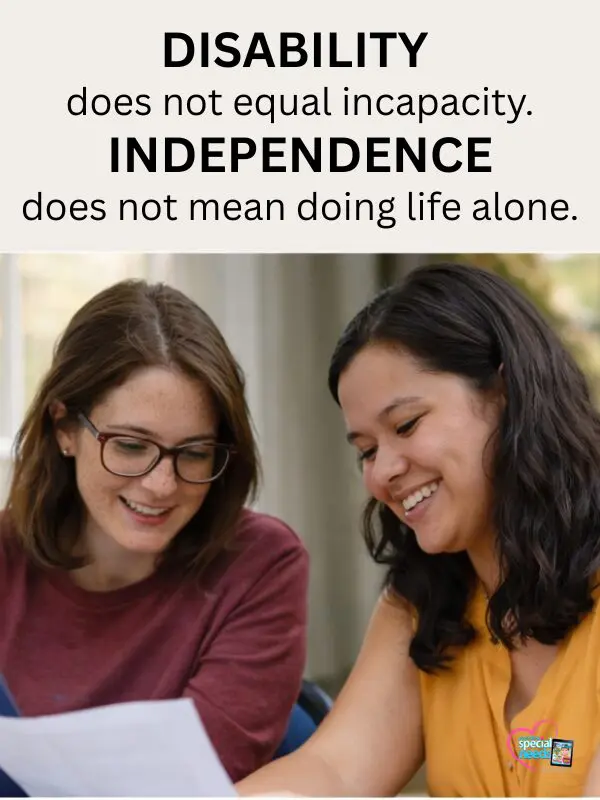
Independence grows when it is supported.
Rights are protected when voices are heard.
Confidence comes from knowing you are not alone.
Legal & Policy Considerations
Families often ask: Is Supported Decision-Making legally recognized?
South Carolina law already supports the core principles of SDM by requiring courts to use the least restrictive option possible and promote independence. Disability alone does not mean a person is incapable of making decisions.
This aligns with national guidance. The American Bar Association recognizes Supported Decision-Making as a preferred alternative to guardianship and emphasizes that removing rights should be a last resort.
Some states have explicit SDM laws. Others, like South Carolina, recognize SDM through least-restrictive-alternative language. The takeaway is the same:
People deserve the chance to make decisions with support before rights are removed.
To check your state’s SDM status, visit:
Supported Decision-Making | National Resource Center
What Policy Changes Are Needed
- Supported Decision-Making should be fully explored before guardianship is ever considered
- Courts should document attempts at less-restrictive alternatives
- Clearer standards and professional education are needed
- Guardianship must never be treated as a service or support
Guardianship is not a support system. It is a legal restriction.
Looking Ahead
Supported Decision-Making is gaining momentum. As self-advocates lead the conversation, SDM is becoming more recognized in education, healthcare, and service systems.
The future of SDM is one where:
- Rights are preserved
- Supports are normalized
- Independence is expected, not questioned
If one change could happen today, it would be this:
Require systems to fully exhaust Supported Decision-Making before considering guardianship.
That single shift would protect thousands of people from unnecessary loss of rights.
Related Reading:
Supported Decision-Making: Preserving Rights, Building Independence, and Rethinking Guardianship
Tranquility® is proud to serve as the 2026 Daily Living & Caregiving Anchor Sponsor for Parenting Special Needs, supporting families with solutions for challenging incontinence care needs.
Credit:
Success Stories | Supported Decision Making in South Carolina
SCSupportedDecisionMaking.org