
How to Use SNAP, Telehealth, and Digital Nutrition Tools to Support Your Family’s Health

Families raising children with disabilities are masters of problem-solving. You juggle appointments, meals, therapies, school schedules, and everyday life — often with very little extra time or energy.
What many parents don’t realize is that some of the most helpful health and food support tools available today can be accessed right from home.
What often goes unseen is how much energy everyday tasks actually require. When you’re raising a child with additional needs, even simple errands can feel overwhelming. A trip to the store can turn into a sensory challenge.
A doctor’s visit can take half a day. And deciding what to cook each night can feel like one more decision in a long list of decisions.
For many families, even simple routines don’t feel simple.
Finding ways to make these routines easier can give families back precious time and energy.
These tools are no longer complicated, in-person systems. They’ve quietly become digital helpers that can reduce stress, save time, and make daily life more manageable for families.
These are tools many families already qualify for — but may not realize how to fully use.
Here’s how to start using them.
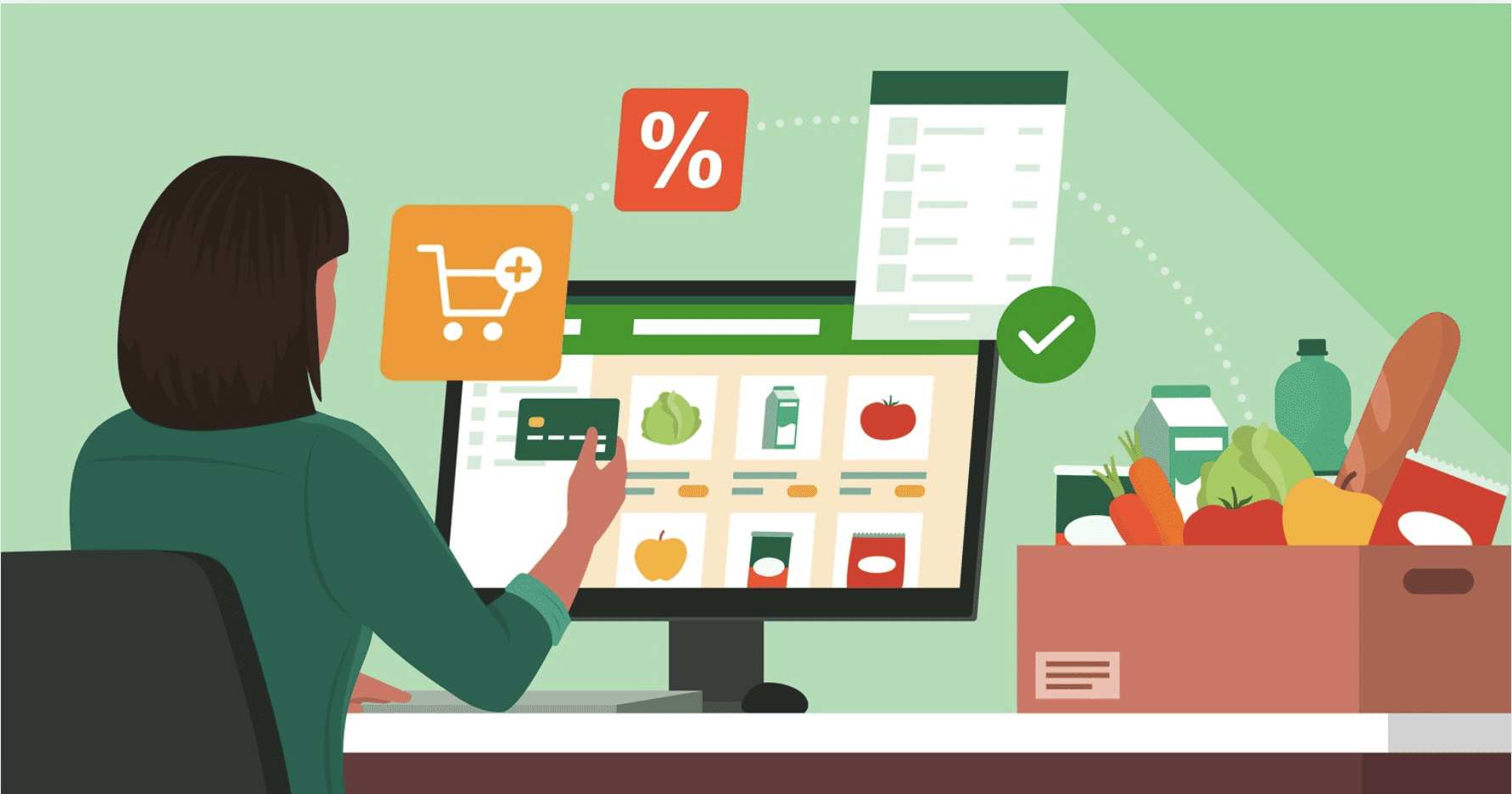
SNAP Has Gone Digital — and That Changes Everything
The Supplemental Nutrition Assistance Program (SNAP) is no longer just a card you swipe at a checkout lane.
In many states, SNAP benefits can now be used to:
• Order groceries online
• Schedule grocery pickup
• Have groceries delivered to your home
• Build digital grocery lists before shopping
For families who:
• Have limited transportation
• Manage mobility challenges
• Care for children who struggle in busy stores
• Feel overwhelmed by in-person shopping
This is a real quality-of-life improvement for families.
You can plan meals calmly at home, order what you need, and avoid the sensory overload and time drain of a grocery store trip.
Quick Start: Check your state’s SNAP website to see if online ordering is available in your area.

Telehealth Removes One of the Hardest Parts of Medical Care
Waiting rooms can be exhausting for children with sensory sensitivities. Travel time, missed work, and long appointments add stress before the visit even begins.
Telehealth allows families to:
• Attend follow-ups from home
• Speak to pediatricians, specialists, and therapists virtually
• Access mental health support for parents and teens
• Reduce exposure to illness
• Avoid transportation challenges
Many providers now offer telehealth as a standard option — but families often forget to ask.
Try This Tonight: Call your provider and ask, “Can our next follow-up be done by telehealth?”

Make Meal Planning Easier (and Less Stressful)
Meal planning is one of the biggest stressors for caregivers. Deciding what to cook every night, staying within budget, and encouraging healthy eating can feel overwhelming.
Free meal-planning apps and grocery list builders help families:
• Plan meals for the week in minutes
• Create automatic shopping lists
• Stay within a food budget
• Teach teens and young adults how to plan meals independently
This is more than convenience — it’s a life skill for children learning independence.
Teach This Skill: Have your teen help build the weekly grocery list using a meal planning app.
Why This Matters for Families Raising Children with Disabilities
For families raising children with disabilities, these tools are not just convenient — they are supportive.
These tools are not just about food or appointments.
They are about:
• Conserving caregiver energy
• Reducing daily stress
• Creating smoother routines
• Supporting independence for teens and young adults
• Making healthy choices feel doable instead of overwhelming
Small changes like ordering groceries online, scheduling telehealth, or planning meals digitally can remove hours of stress from a week.
And when you are raising a child with additional needs, saving energy matters.
Start Small
You don’t have to change everything at once.
Try one step:
• Check SNAP online ordering in your state
• Ask for a telehealth visit
• Download a free meal planner
These tools may seem small, but small changes add up. Ordering groceries from home, attending an appointment without a waiting room, or planning meals in minutes instead of hours can make daily life feel lighter.
And when daily life feels lighter, families have more energy for what matters most — connection, calm, and caring for one another.
Planning Ahead Can Make This Even Easier
If you’re starting to think about how to create more stability for your child’s future, this is often where families begin.
👉 Start here: PSN 15-Minute Future Planning Guide
Simple, clear next steps to plan ahead—without overwhelm or guesswork.
Helpful Links to Get Started
USDA Food and Nutrition Service SNAP information: https://www.fns.usda.gov/snap
Medicare telehealth overview: https://www.medicare.gov/coverage/telehealth
Eat This Much meal planning tool: https://www.eatthismuch.com
AnyList grocery list builder: https://www.anylist.com