Fitness/Sports/Recreation
Your kids might have trouble with loud noises, lights or textures – and there’s so many simple tools available! What if you could make it easy on their teachers by sharing just a few items? A backpack clip-on phone case lets them mute ringers instantly from inside the classroom.
Ease back-to-school stress with relaxing yoga tips: Learn simple body scanning exercises using smooth transition tactics.
Stock nutritious foods, involve kids in selection, and ensure morning meals. Pack wholesome lunches with fruits, veggies, and whole grains. Limit “tech time” and prioritize physical activity. Offer varied movement options—sports, walks, dancing—to keep children engaged and active throughout the school year. A healthy body supports a focused mind!
Discover how fitness can transform autism symptoms for children and adults alike. Regular exercise improves self-esteem, social skills, and cognitive function while preventing preventable diseases. Start small – just one or two enjoyable activities a day to build confidence and movement gradually.
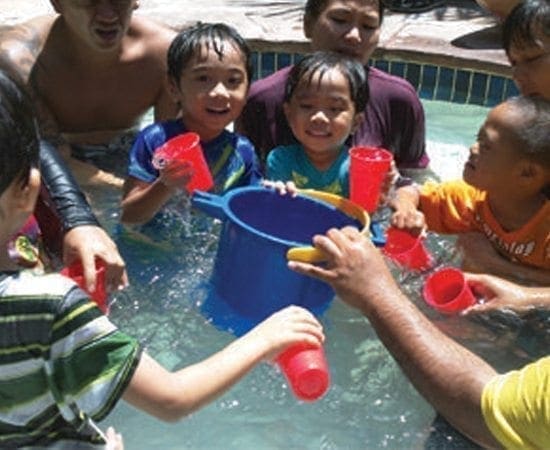
Cool off with splash-tastic water play! Whether it’s catching floating “fish” in a kiddie pool or racing to fill buckets, these shallow pool games are perfect for kids and even disabled children.
Fit for All: How Fitness Transforms Special Needs Independence Discover how fitness breaks down barriers, sparks camaraderie, and unlocks lifelong skills in autism spectrum programs. Our research proves it works – from chaotic beginnings to coordinated breakthroughs. Imagine your child not just exercising, but finding freedom through movement.
Summer activities that engage children both physically and mentally are essential for their development. Consider day camps focusing on sports, arts, and crafts; introduce new, healthy snacks weekly; and encourage gardening activities for a hands-on learning experience with fresh produce.
Unlocking Skills for Children with Autism: A Guide to Adapted Learning Strategies Dive deeper into tailored approaches for sensory processing challenges autistic skills and adaptive cognitive skill development strategies that transform learning difficulties into achievable milestones.
Discover how ballet yoga transforms life for children with developmental disabilities, offering socialization, body awareness, sensory integration, coordination, balance, self-regulation, confidence, balanced moods and increased general body awareness through playful poses and dance. This uplifting program turns challenges into triumphs.
Squats are one of the four foundational exercises introduced in the PAC Profile Assessment Toolbox, crucial for developing essential mobility and stability. By starting with squats, educators can address common physical challenges, such as poor posture and sedentary lifestyles, while tailoring fitness programs to meet individual needs across ability levels.