
IEP/Help

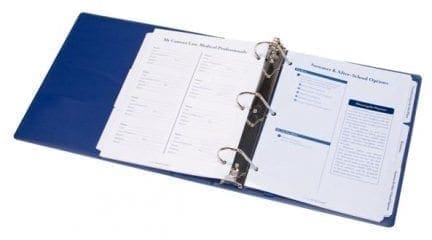
Blue binder open to pages with lists and checkboxes. 0

Spring Ahead With an IEP Toolkit!

Why should you learn about Individualized Education Programs (IEPs)? These tailored plans are crucial for children with learning disabilities. An IEP outlines unique support, goals, and services based on individual needs. Let’s simplify what an IEP is all about.

Red heart with a stethoscope and the words "Relationship RESCUE". 0

What Do I Do with My Child Once They Graduate High School?

Unlocking Lifelong Potential: Your Guide to High School Graduation Options for Special Needs Children Ever wonder why IEPs push graduation when it might feel premature? You’re not alone. This article explores alternative high school pathways post-21, from college programs supporting students with disabilities and adult transition planning resources that align with your child’s unique needs.

A ruler and pencil lie on a red notebook. 0

Cheering Your Child on to Success – How to Prepare for an IEP

Why should parents prepare meticulously for an IEP meeting? Picture this: a game-changing chance where educators, therapists, and specialists unite around your child—not as a label—but as a unique learner ready to scale new educational heights. A well-prepared IEP is not just paperwork; it’s the golden ticket guiding your child toward personalized success.

A mother lovingly looks up at her young daughter being held in her arms. 0

Advocating for Your Child

Discover What Special Education Services Your Child Needs Want special education guidance? Our advocacy guide unveils must‑know basics. Who Can Be an Advocate? No one knows your child like you. Anyone—parents, caregivers, teachers—can be a voice for kids with special needs. Types of Advocates: • Lay advocates: everyday heroes using expertise to smooth school struggles.

Two Special Olympics soccer players in blue and white jerseys compete for control of the ball on a grass field. 0

Special Olympics Success and Encouragement for All!

Discover the inspiring journey: Trisha’s Seventeen-Year Odyssey with Special Olympics Meet Trisha: A lifelong champion overcoming odds through dedication & unwavering support. Your journey starts here: Uncover how a grassroots movement transformed one remarkable girl into an inspiration.

Seven-year-old Kaden looks toward the camera with a gentle smile while resting on a wooden structure. 0

Advocating for Your Child

When some parents see their child’s school, they’re reminded of joyful memories—recess, choirs, winning awards. But for me, every call or email about my stepson Kaden meant more chaos at school. He’s the smallest kid in class, but he disrupts twice a week, breaking records.

Yellow diamond road sign pointing right with text encouraging parents to guide their child's education. 0

Your are Your Child’s Best Advocate

Discover how to navigate special education systems with confidence: understand advocacy’s crucial role in advocating for your child’s emotional and behavioral health. This post offers practical strategies for parental support groups.

Special education team members engaged in a collaborative meeting to improve communication. 0

5 Steps to Improving Communication with the Special Education Team

Unlock seamless support by embracing open dialogue. Discover your child’s unique journey through five crucial steps: introduce yourself, share strengths and challenges, collaborate on strategies, attend key meetings together when possible, and maintain consistent communication throughout the school year to ensure every member of the special education team works in harmony for optimal student progress.

Open dictionary displaying the word Lingo to represent the technical terminology used in special education. 0

An Important List of Special Education Terms Parents Should Know

Parenting a child with special needs has its own language—let us decode it together. Dive into key terms like Academic Yearly Progress (AYP), accommodations for leveling the playing field, assessments revealing your child’s true potential, and achieving mastery through alternative methods—all here to guide you in empowering conversations with educators.

Woman adjusting the lavender graduation gown of a student preparing for her commencement ceremony. 3

What to Do After High School?

Discover post-high school paths for teens with special needs: from job training and apprenticeships to gap years and support programs designed to help them thrive independently, pursue careers, or continue education—whatever aligns best with their dreams and goals.

Secret Link