Applied Behavior Analysis
Getting informed about Positive Behavior Support (PBS) treatments for your child involves more than just understanding the approach itself. A parent-centered approach means clinicians should clearly explain where their recommendations come from, including the latest PBS research. This helps you make informed decisions about your child’s treatment.
The holidays can highlight cultural values that shape your family life. When sharing these traditions with your care team, try writing a brief note about what matters most. You are doing great.
Mealtimes can feel exhausting when your child struggles to eat. By identifying signs of food aversion, you can find helpful strategies. Feeding therapy for food refusal offers parents guidance toward calmer days.
Daily schedule stress management strategies often feel out of reach when life gets busy. When frustration mounts, remember that every action is communication. Try tracking one small behavior today to find clarity.
Managing multiple appointments and conflicting advice can leave you feeling drained. Using a family-centered approach to special needs care helps align your team. Try inviting your providers to a quick group call.
Daily life can feel like a constant loop of reminders. Using visual aids homes, daily schedules home repairs, and checklists can foster independence success quality life. You are doing a great job.
Unraveling ABA: A Gentle Guide for Parents Amidst the Journey Embarking on a parenting path with a child facing developmental challenges often leaves parents pondering what lies ahead. Applied behavior analysis (ABA) stands as a beacon of hope, rooted deeply in science to guide you through this journey with confidence and understanding.
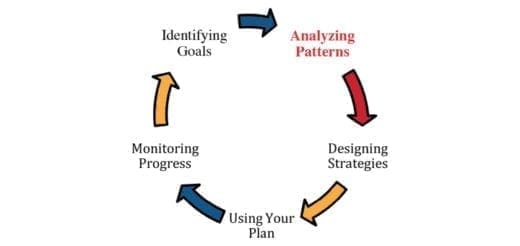
It is natural to feel overwhelmed when behaviors shift. By analyzing behavioral patterns for improvement, you can find hidden clues. Try tracking times of day or hunger levels. Troubleshooting strategies for positive change help.
Unlocking Positive Change: The Power of Reinforcement Think “reward” and picture gold stars or treats. But in behavior change? It’s more than sweets or stickers. Reinforcement means shaping actions through what follows them – a key for kids’ growth. Want good behaviors? Tap into the magic of reinforcement.
Discover Powerful Strategies for Managing Escalating Behavior in Kids Frustration turned into embarrassment – watch what happens when an overwhelmed boy can’t control himself amid the chaos. This isn’t just another parenting story; it’s your chance to equip yourself with proven tactics that will transform challenging moments, turning them into opportunities for growth.