
Advice

Red heart with stethoscope and text "Relationship RESCUE. 0

Keeping the Peace During the Holidays Tips

Maintain a Calm Holiday Season with These Special Needs-Friendly Tips The holidays can be overwhelming for any family, but especially those raising children and teens with special needs. Consistency is key—stick to your child’s usual routines as much as possible while still allowing room for festive activities.


Child with hands on head looking at a plate of food. 0

Expanding Food Options for the PICKY EATER

How Parents Can Expand Their Picky Eater’s Menu Is your child only interested in a handful of foods? Picky eating frustrates parents everywhere, especially those of kids with special needs who often have extremely limited diets. Explore these effective strategies: 1.

Two pumpkin-shaped cookies with icing faces. 0

Alternative Sweets for Your Child During the Holidays

Discover the sweet truth about holiday indulgence: sugar impacts mood and body storage. Teach kids nutritious habits now to thwart future health issues. Try apple picking or peanut butter recipes this season for guilt-free sweets!

Blackboard with the words Set Goals written in white chalk. 1

Goal Setting in the Classroom and at Home for a Child

Discover how special education administrators, like those at “Good Apple,” nurture young minds. Learn why connecting with children by sharing personal stories builds trust and boosts self-esteem—essential steps for equipping them to tackle challenges head-on and reach their full potential in the real world.

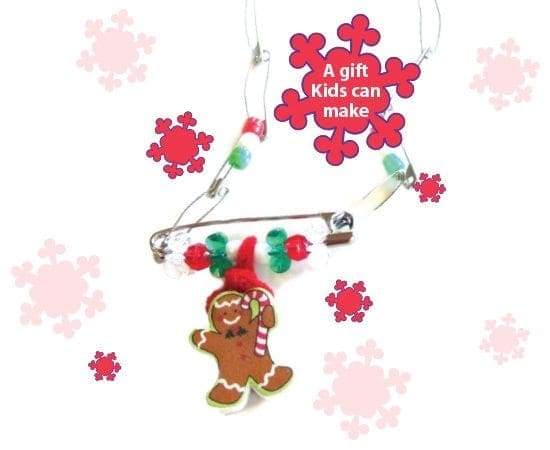
Gingerbread man charm with beads on a safety pin necklace. 0

Safety Pin Necklace

Crafting Safety Pin Chains: A Fun, Focus-Boosting Activity for Kids Teach your child the delight of connecting safety pins into a wearable chain necklace using precision and concentration. This engaging craft blends creativity with skill-building, perfect for sparking focus while offering endless creative opportunities.

Disability Etiquette 101 with icons for accessibility. 2

Disability Etiquette 101

Discover essential disability etiquette guidelines that empower meaningful connections Unlock respectful interactions through these practical tips: – Refer to people first, then their condition (“people who are blind,” not “blind people”) – Approach directly—no need to address assistants unless the person invites it – It’s okay to offer a handshake, but respect physical limitations

A child with glasses smiles in front of a bookshelf. 0

ASK Angie ASL + Tips: “Fingerspelling”

Practice fingerspelling this school year to boost your spelling skills. This simple technique helps lock vocabulary words into memory by using both visual and tactile channels. Dive into ASL videos and worksheets to master finger spelling and impress everyone with your newfound fluency!

Split image shows children on a racetrack and children on a forest path with text "IT'S NOT A RACE IT'S A JOURNEY! 0

Advocacy Tips for the Long Haul

Every parent’s journey is unique, but connecting with supportive allies can make all the difference. Discover how a Principal’s commitment and advocacy transformed one family’s experience, offering invaluable tips for navigating early childhood education challenges.

Secret Link