
Meet Abigail Krevsky
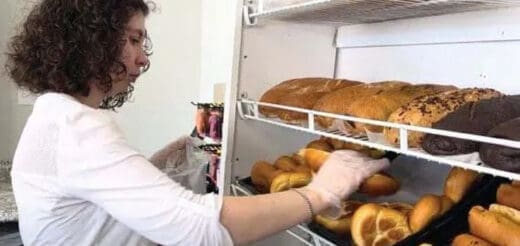
At Nour Coffee Shop, busy barista Abigail Krevsky’s “Always Try” mindset helps her juggle orders and make new friends. When faced with a tricky drink order, she breaks it down, listens carefully, and gives it her best shot.
When transitioning from high school to adulthood, it’s essential to explore your child’s interests and vision for the future. Ask open-ended questions like “What is your dream job?” or “What activities make you happy?” to help identify their strengths and passions.
Transitioning to adulthood challenges for individuals with disabilities can feel daunting. Milestones and barriers affecting employment and independent living require patience. Explore strategies and supports to improve quality of life today.
Planning for a child’s future can feel overwhelming. Exploring vocation skill-building programs and job coaching support provides long-term stability. These autism adult development services offer the gentle guidance needed to thrive at work.
Supporting child development stages starts with small choices. If you feel nervous about your child speaking up, practice together by role-playing. Teaching self-advocacy skills builds confidence for a bright future.
Building a strong home-school relationship—much like a marriage—requires commitment and communication. Tailor strategies for your child’s unique needs by building collaborative networks with teachers. Together, you can achieve successful outcomes.
Deciding on a future path can feel overwhelming. Exploring college benefits helps build a foundation for independent adulthood reasons. Consider visiting a campus with your teen to see the opportunities firsthand. You’ve got this.
Planning for the future can feel overwhelming when daily life is already full. Using a families transition planning guide helps break down steps, like documenting interests early. You are doing great.
Building a child’s inner belief takes patience. Use these positive self esteem strategies daily to help your child shine. Simple praise for their unique efforts remains the best way to boost self confidence techniques.