
Home

3D model of a house interior sitting on architectural blueprints with a calculator. 0

How to Create a Sensory-Friendly Home: Practical Tips for Every Room

Calming the senses, one room at a time. For autistic children, a sensory-friendly home can be a safe haven, reducing overwhelm and promoting calm. In the living room, try swapping harsh overhead lighting for table lamps or strings of fairy lights, and adding soft throw blankets to encourage cozy snuggling.


The Case for Choice and Advocacy 0

The Case for Choice and Advocacy

Faced with the challenges of housing rights and systemic barriers, many families raising children with intellectual and developmental disabilities (IDD) feel overwhelmed. Imagine a future where your child thrives in a supportive community that not only meets their unique needs but also celebrates their individuality.

Housing models: options and gaps 0

Innovative Housing Solutions for People with Disabilities

Creating a Home that Works for Everyone: Innovative Housing Solutions for Individuals with Disabilities. When the journey to find a suitable home becomes overwhelming, group homes, shared living arrangements, and community-based models offer new possibilities.

Three smart speakers: Amazon Echo Dot, Amazon Echo, and a Google Home. 0

Tech Tips for Your Smart Home

Unlock the magic of smart home devices for special needs kids: Make everyday life easier while teaching invaluable skills through fun, interactive play. Discover how Amazon Alexa, Google Assistant, and Siri can become powerful learning tools for children with ADHD, dyslexia, autism, and more!

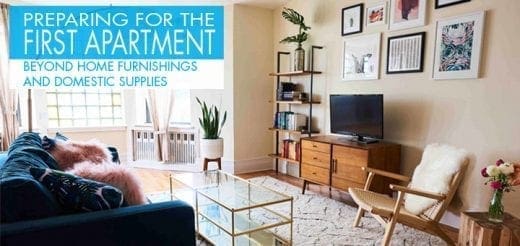
Stylized text overlaying a living room describes preparing for a first apartment. 0

Preparing for the First Apartment: Beyond Home Furnishings

Preparing your student with a disability for their first independent living experience doesn’t have to be overwhelming. As an Independent Living Advisor, I’ve seen firsthand how applying the four key principles of S.C.O.R.E. can make all the difference in ensuring success. Schedules provide structure, Consequences teach accountability, Ownership builds responsibility, and Routines create stability.

A young boy in a red shirt smiles with crossed arms in a messy room filled with toys. 0

Household Organization & Your Child’s Behavior

Why should you read this? Discover how simple home organization changes can transform your child’s focus, reduce tantrums, and create calmer days. Lisa’s messy house mirrors a chaotic mind. When toys, papers, and shoes are strewn everywhere, children struggle to regulate emotions and stay on task.

Secret Link