
With a few thoughtful strategies, you can make the season both joyful and manageable—helping your child feel included, calm, and ready to celebrate.
The holidays are often filled with joy, connection, and celebration, but for special needs families, this time of year can also bring unique challenges. The excitement that others find energizing can sometimes feel overwhelming for some parents and their children.
Changes in daily routines, unfamiliar environments, new faces, and heightened sensory experiences (e.g., bright lights, loud music, and crowded gatherings) can all contribute to stress or behavioral difficulties. These moments don’t mean your child isn’t capable of enjoying the season; they simply highlight how much structure, predictability, and understanding matter.
With thoughtful preparation, families can make the season meaningful, inclusive, and manageable. These authors recommend emphasizing prevention, proactive planning, reinforcement of prosocial behaviors, and keeping values that align beautifully with supporting our children through the excitement and unpredictability of the holiday season. Whether that means adjusting expectations, using visual supports, or scheduling quiet breaks, small, intentional steps can make a big difference.
This article offers practical, down-to-earth strategies to help you prepare in advance, involve your family, and support your child through transitions and sensory challenges. With the right balance of flexibility and structure, the holidays can become not only a time of celebration, but also one of growth, connection, and shared joy.
 [1]
[1]
When Family Travels to You
Prepping the Team
One of the best ways to support your child is by preparing the people around them. Think of your extended family as part of your support system and if they can help reinforce the skills and routines your child uses at home. If your child is working on certain goals in ABA or speech therapy like asking for help, taking breaks appropriately, or trying new foods, share those goals with your family. Let them know how they can encourage and respond to those behaviors.
Pro Tip: Reinforcement is powerful. For example, if your child is working on waiting, relatives can help by redirecting attention to another activity and offering praise or small rewards when your child waits successfully. Reinforcers can be as simple as attention, access to a favorite toy, or a special snack depending on their diet!
 [2]
[2]
Supporting Positive Communication
Whether your child uses speech, sign language (ASL), AAC, pictures, or gestures, it’s important that everyone around them knows how to recognize and respond to their communication [3]. These authors recommend showing the family how your child requests things or says “no.” Encourage your family to reinforce communication efforts, even if it’s not in full sentences. For example, if your child uses a picture to ask for a toy, praise the effort by saying, “You told me what you wanted!” and providing the item.
Bonus Tip: Remember if you are removing an AAC device or pictures, you may be removing access to communication overall. It may be best to remind family members of this if your child uses alternative communication to speech or sign language.
Building Rapport with Reinforcement in Mind
Connection builds cooperation. When children feel understood and valued, they’re more likely to engage and participate. Encourage family to connect through your child’s interests whether that’s dinosaurs, trains, or outer space. If your child loves dinosaurs, suggest that relatives bring a small dinosaur book, toy, or fun fact to share. This helps build rapport in a way that feels safe and enjoyable for your child.
Once that connection is made, remind family members to follow your child’s lead in play. This approach, common in ABA and developmental play models, helps children feel respected and in control. For example, if your child is lining up toy dinosaurs, relatives can join in by imitating or commenting, “That’s a big T. rex! He’s leading the pack!” instead of changing the play. These moments create natural opportunities for shared attention and positive interaction. Be sure to reinforce both your child and your family’s efforts. Praise your child and thank relatives for joining in supportively.
Pro Tip: Rapport doesn’t always have to be through attention. After a successful interaction, you might follow up with a favorite activity, snack, or sensory break to keep things positive.
When Traveling to Family: Be Proactive
Pack a “Go Bag”
Before leaving home, pack a “go bag” filled with your child’s essentials. Include sensory tools or fidgets to help with regulation, favorite snacks to reduce stress, and comfort items (e.g., a blanket, stuffed animal, or familiar toy) for reassurance. Don’t forget reinforcers such as small toys, stickers, or a tablet with preferred activities. Having these items ready can help you respond quickly to your child’s needs and prevent challenges during travel or visits.
Pro Tip: Familiar reinforcers and activities help keep behaviors on track in new environments.
Prime with Predictability
Prepare your child for holiday plans using visuals and clear communication. Visual schedules [4], calendars, social stories, or repeated phrases can all help your child understand what’s coming next. For example: “First we drive to Grandma’s, then we eat dinner, then we open presents.”
Whenever possible, involve your child in the preparation process like packing their bag, wrapping gifts, or helping bake. For children who benefit from visuals, show pictures or symbols to represent each step of the day. These proactive strategies increase comfort, promote independence, and reduce anxiety about change.
Pro Tip: Predictability helps kids feel safe and in control, making meltdowns less likely.
 [5]
[5]
Environmental Supports: Setting Up for Success
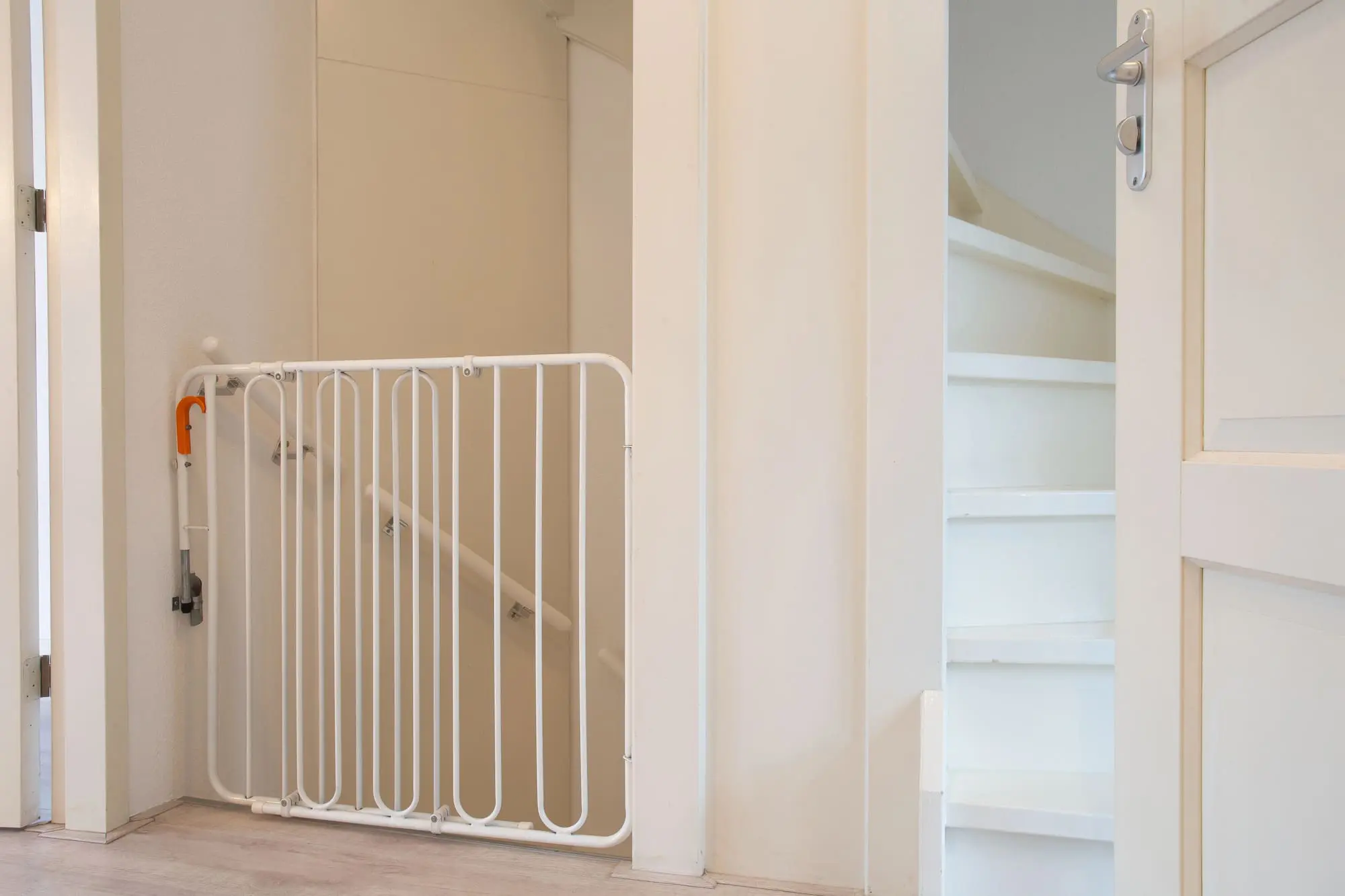
Remember to use proactive steps that shape the environment to support success before behavior challenges arise. Consider what your child needs to feel secure. If your child tends to elope, secure doors or set clear boundaries like, “You can play in the living room and kitchen.” When visiting others, ask ahead if there’s a quiet space available for breaks in case your child feels overstimulated.
Bring along a portable visual schedule or timer to help with transitions between activities. These small environmental adjustments often prevent stress before it starts, keeping your child regulated and comfortable throughout family gatherings.
Pro Tip: Small environmental changes are low-effort, high-impact ways to prevent behavior challenges.
When Things Don’t Go as Planned
Even with the best supports in place, holidays are unpredictable. Maybe the meal is late, the crowd is larger than expected, or your child becomes overstimulated. That’s okay. Behavioral challenges don’t mean failure; they’re opportunities to regroup and apply your supports. When things go off track, pause, breathe, and return to what works. Offer a break, praise a small success, or give your child a choice between two preferred options. And don’t forget yourself! You may need a break, too. Step away for a moment, ask for help, and remember that self-care isn’t selfish; it’s essential.
The goal isn’t a “perfect” holiday. The goal is a positive, safe, and inclusive one where your child can participate at their own pace, using the tools and supports that help them thrive. With proactive planning, clear communication, environmental supports, and reinforcement strategies in place, you’re already doing the most powerful thing: setting your child up for success.
You’ve got this. Your child has you and that’s the best holiday gift of all!
ABOUT THE AUTHOR:
Holly Downs, is the Director of Ethical Compliance at [PBS Corp] (https://www.teampbs.com/ [6]). And an instructor at Capella University. She is a certified behavior analyst with over a decade of experience in various populations.