
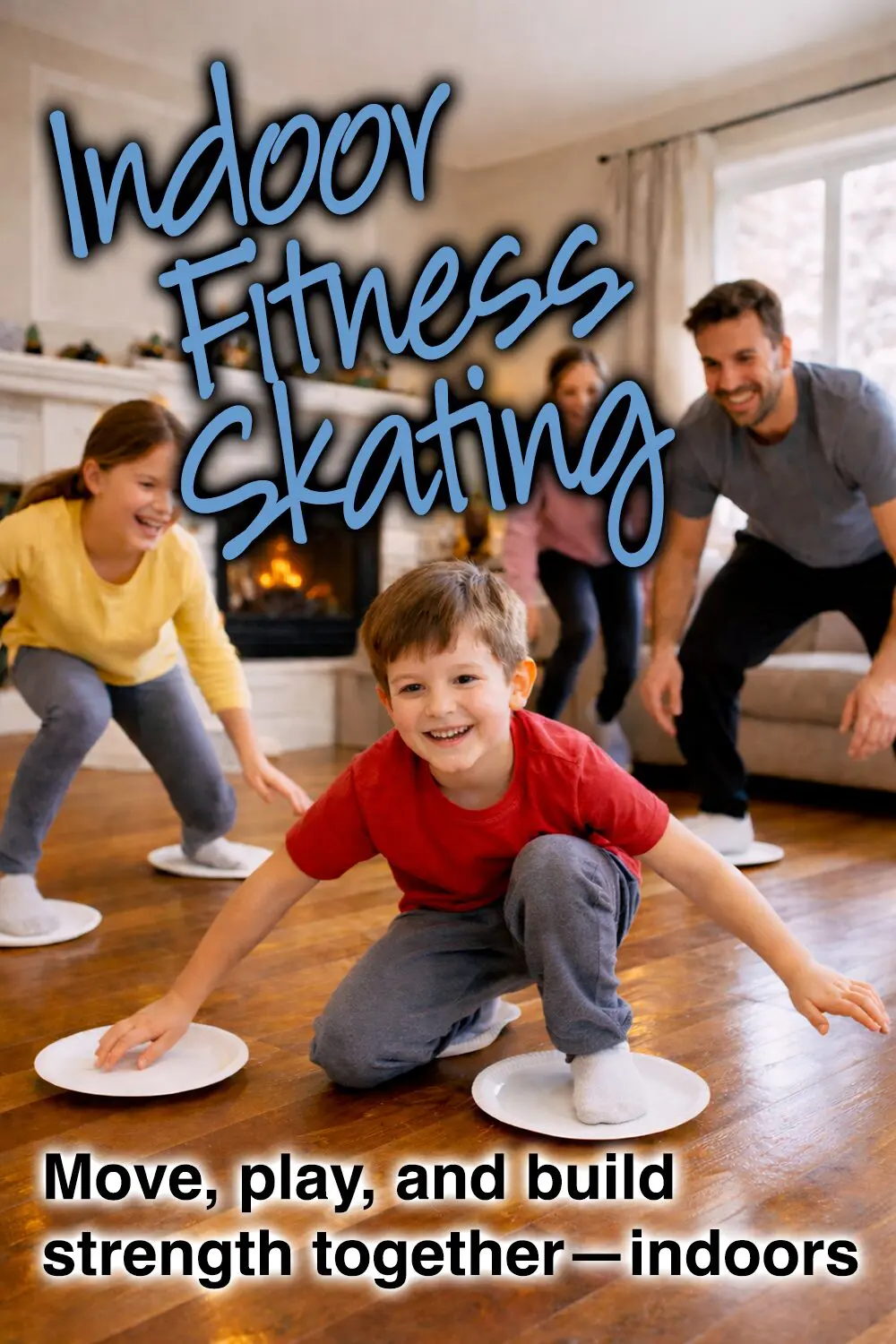
When families find themselves spending more time indoors, staying active can feel like a challenge. But movement doesn’t have to stop just because you’re inside. With a little creativity, your living room can become a space for exercise, laughter, and connection.
 [1]
[1]
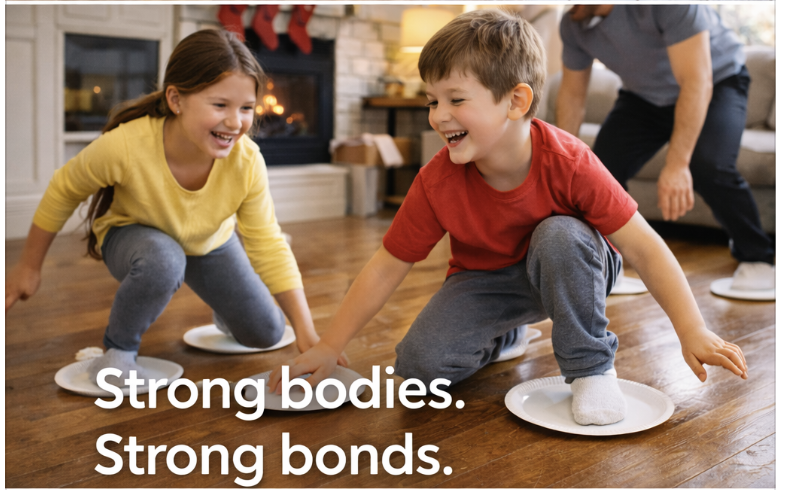
This simple activity uses music, imagination, and everyday items to help children and adults build strength, improve balance, and support overall wellness—together, right at home.
Watch the Fitness Skating Demonstration
It’s easy for routines to shift, especially during busy seasons or long stretches indoors. Getting back into a rhythm doesn’t have to mean overhauling everything. Sometimes, it starts with something small, playful, and doable.
No special equipment. No gym membership. Just movement that feels like play.
A fun indoor exercise activity for the entire family can be done in any room in your house. I combined skating, body-bridge (plank) work, and music to make your workout routine more fun.
These exercises help improve cardiovascular endurance, overall body strength, balance, flexibility, and coordination. Children will also learn opposite concepts relating to the bridges.
Just follow along, and in no time, you’ll gain a sense of wellness with each day of participation.
Items Needed
2 paper plates per participant
Fun, upbeat music
A large enough space to skate around (smooth linoleum or wooden flooring works best)
Description
Make sure everyone receives two paper plates.
Teach the children the difference between each of the bridges:
Wide, Narrow, Tall, Small, Long, and Short.
While skating, be creative! You may want to skate forward, backward, side to side, spin around, or skate with a family member or friend. Move with what you feel when you hear the music.
When the music is playing, everyone skates around the room using one paper plate under each foot.
Designate someone to be in charge of the music. When the music stops, everyone freezes and performs the assigned bridge.
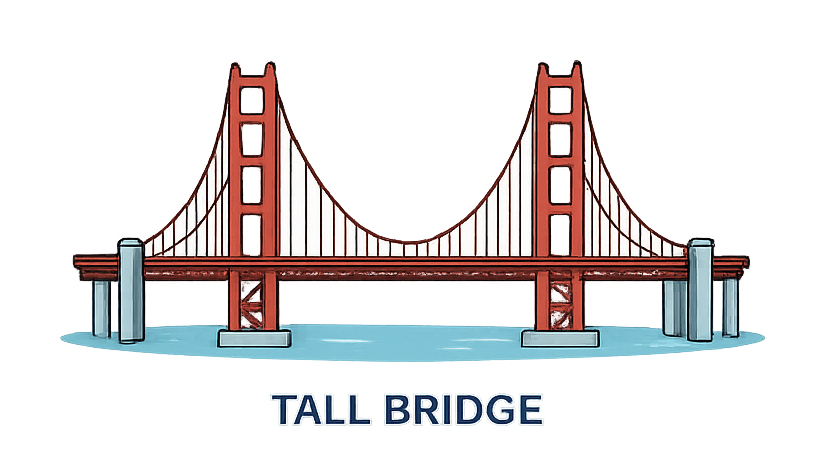
Tall Bridge
Stand on the balls of your feet.
Bring arms overhead and place palms together.
Hold for 10–30 seconds, depending on age and ability level.
You may begin by holding for 10 seconds and increase the duration each day.
Play upbeat music again for approximately 3–5 minutes.
When the music stops, freeze and perform a:
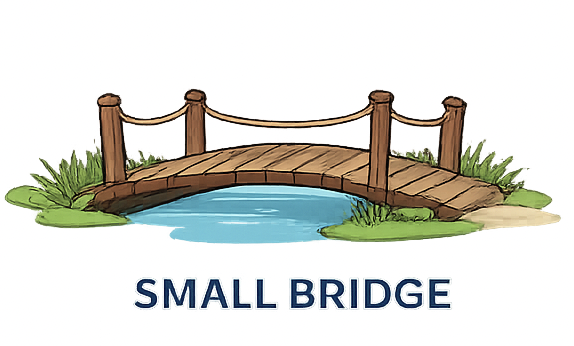
Small Bridge
(Opposite of Tall)
Sit on the floor.
Place hands and feet flat on the floor.
Raise your belly into the air (like a tabletop).
Hold for 10–30 seconds.
Play music again and skate around the room for about 5 minutes.
When the music stops, perform a:
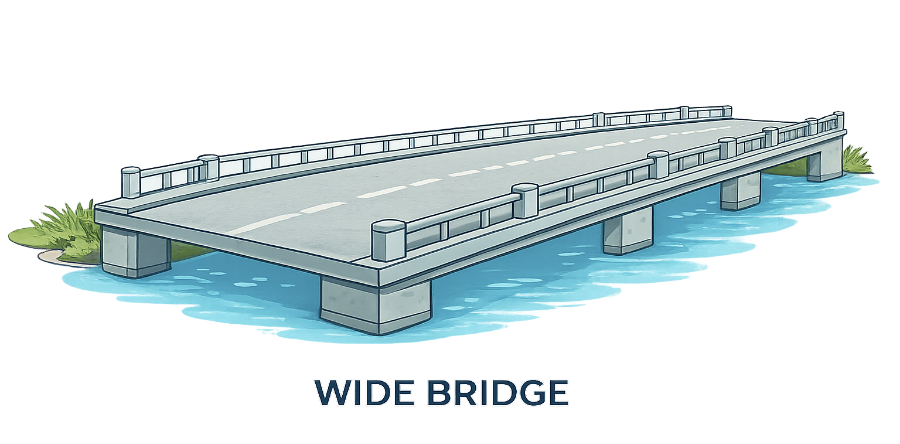
Wide Bridge
Place hands and toes wide on the floor, extending beyond shoulder and hip level.
Lift the body into a plank position.
Hold for 10–30 seconds.
Play music for 3–5 minutes and skate around the room.
When the music stops, perform a:
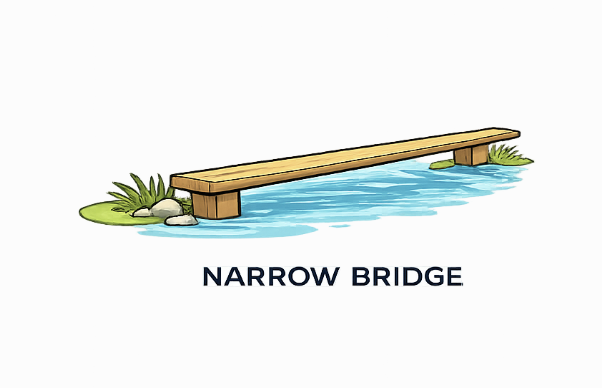
Narrow Bridge
(Opposite of Wide)
Lie flat on your belly.
Place hands beside each other on the floor and feet together with toes on the floor.
Raise your body into a plank position.
Hold for 10–30 seconds.
Play music again and skate around the room for about 5 minutes.
When the music stops, perform a:
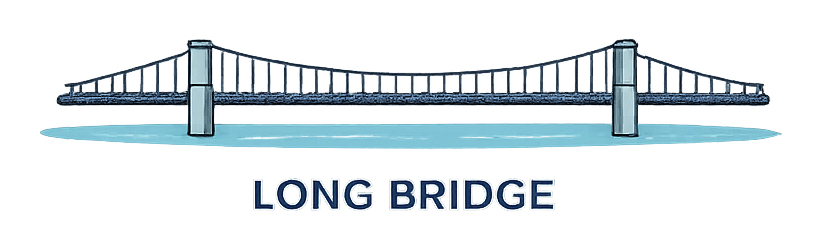
Long Bridge
Lie face down on the floor.
Extend both arms overhead with toes pointed.
Lift arms and legs off the floor, balancing on your belly.
Hold for 10–30 seconds.
Play music for the final time for approximately 3–5 minutes.
When the music stops, conclude with:
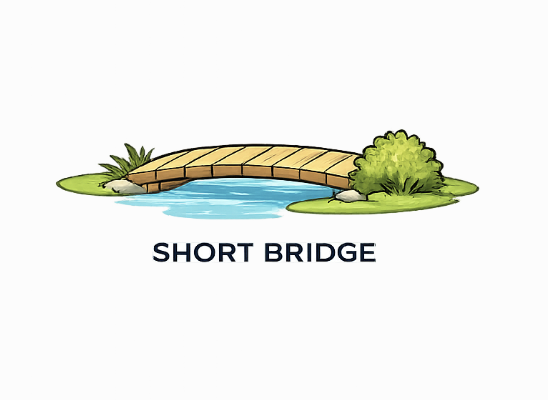
Short Bridge
(Opposite of Long)
Place knees and hands on the floor with belly facing down.
Lift right leg and left arm into the air. Hold for 10 seconds.
Repeat with left leg and right arm.
Variations
Add a timer to see how long each participant can maintain each bridge position.
Dance to the music without paper plates as an alternative option.
Adaptations
Place a paper plate under each hand and creep around the room while the music plays.
Use a mobility device while dancing to the music.
The various planks can also be performed in a wheelchair or chair with armrests.
Seated Adaptations
Tall Bridge – While seated, raise arms straight overhead and place palms together.
Small Bridge – While seated, place feet flat on the floor and raise the body using armrests.
Wide Bridge – Spread legs wide and press hands firmly against another person’s hands for 10–30 seconds.
Narrow Bridge – Bring legs together and squeeze while pressing palms together for 10–30 seconds.
Long Bridge – Reach arms overhead with legs straight out in front.
Short Bridge – Lift legs toward the chest, hugging them for 10–30 seconds.
These activities require a great deal of muscle work. Continue encouraging each participant to maintain their bridge position for the duration of each activity.
Most importantly, have fun moving together.
Progress doesn’t always look big or dramatic. Sometimes it looks like sliding across the living room floor, freezing in a bridge, and smiling at each other afterward. Keep going. Small moments of movement can lead to big moments of pride.