

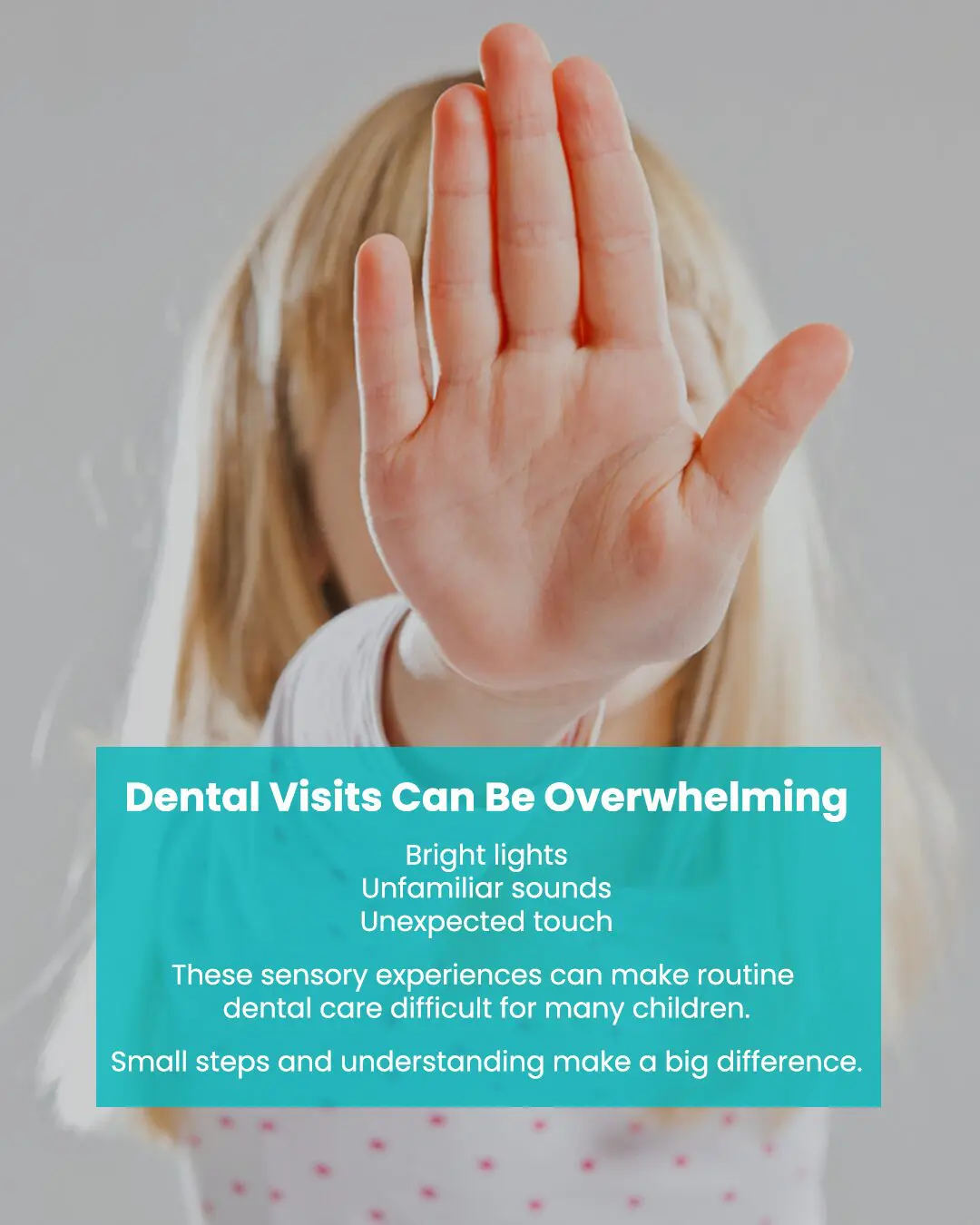
For special needs families, a trip to the dentist is not always difficult because of fear, but also because of sensory overload. Bright lights, unfamiliar sounds, strong smells, and unexpected touch can quickly overwhelm a nervous system that processes sensory input differently.
When these experiences pile up all at once, even routine dental care can feel impossible.
Years ago, when Claudia was trained and worked as a dental hygienist, she received little to no education on supporting patients with sensory differences or disabilities. Today, we know much more.
With thoughtful planning and step-by-step desensitization, dental visits can become more manageable, less stressful, and more successful over time.
It’s important to know that desensitization is not about forcing tolerance or compliance. It is about building comfort gradually, respecting sensory needs, and creating predictability.
When families and dental providers work together, oral health care can become a positive and empowering experience.
Challenges in the Dental Setting
A dental office engages all five senses at once. For individuals with disabilities, this can be overwhelming.
Visual input is often the first challenge. Overhead dental lights can feel painfully bright, and unfamiliar rooms filled with equipment may cause stress. Allowing a patient to explore the room visually before beginning can make a big difference.
Simple supports such as dimming lights, offering sunglasses or a hat, or letting your child watch the light turn on and off help reduce surprise and discomfort.
Sound can be another major trigger. Suction, dental handpieces, and even conversations in the hallway can feel loud and unpredictable.
Noise-canceling headphones or ear defenders can help soften these sounds. Listening to calming music, white noise, or a favorite story can also provide comfort. Whenever possible, explaining sounds before they occur builds trust and reduces anxiety.
Touch can be one of the most challenging sensory experiences. The feel of gloves, water spray, instruments, or the movement of the dental chair may be uncomfortable.
Allowing patients to touch instruments before they are used and using firm, steady pressure instead of light touch can make a difference. Weighted lap pads or even the lead apron used for x-ray can provide calming deep pressure input during the visit.
Taste and smell sensitivities also play an important role. Dental products often have strong flavors or unfamiliar smells.
Offering flavorless toothpaste or allowing the child to choose a preferred flavor can give them a sense of control. Frequent breaks to rinse or spit can help prevent sensory overload and increase comfort.
Desensitization Starts at Home
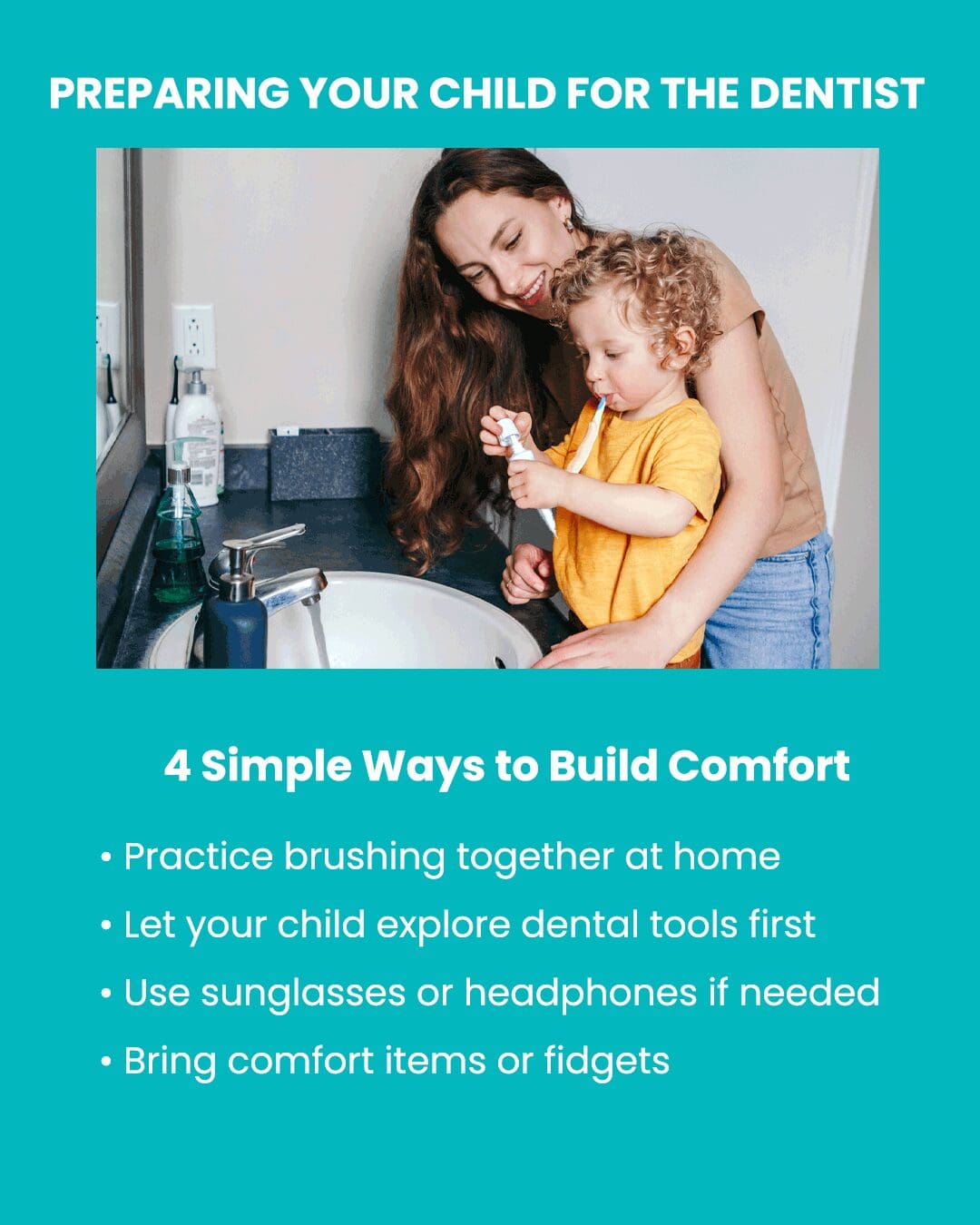
Successful dental visits begin long before stepping into the dental office. At home, parents can introduce oral care in small, predictable steps.
Using a toothbrush, finger brush, or NUK brush helps build tolerance to oral touch. To gain more buy in allow your child to make a choice of which toothbrush and toothpaste they want to use. Remember, it may change from day to day.
Practice can include opening the mouth, counting teeth, or pretending to “check” teeth in a mirror. Keeping practice sessions short and consistent is key.
Pairing these routines with praise, a favorite song, or a small reward reinforces success and builds positive associations. It is also important to remember to stop before the distress escalates. You can always continue practicing another time.
Pretend play with oral care can also be helpful. Let your child practice being both the “dentist” and the “patient.” Taking turns brushing a stuffed animal’s teeth or reclining in a chair can help make dental routines feel familiar and safe.
Choosing the Right Provider Matters
Choosing the right dental provider is a critical part of a successful desensitization program. Not every dental office is equipped or willing to move at a child’s pace, and that is okay.
Parents are encouraged to interview providers ahead of time and ask about experience with sensory differences/disabilities, flexibility in appointment structure, and willingness to offer choices during visits.
A supportive provider will welcome gradual exposure, allow breaks, and involve the child in decision-making whenever possible. The right fit can make the difference between a stressful experience and a successful one.
Check out these amazing articles [1] from dentists supporting special needs individuals!
Taking a Gradual Approach to Dental Visits
Dental desensitization works best when visits are broken into manageable steps.
Scheduling appointments during quieter times, such as early mornings, can reduce wait times and background noise. The first visit does not need to include a full exam.
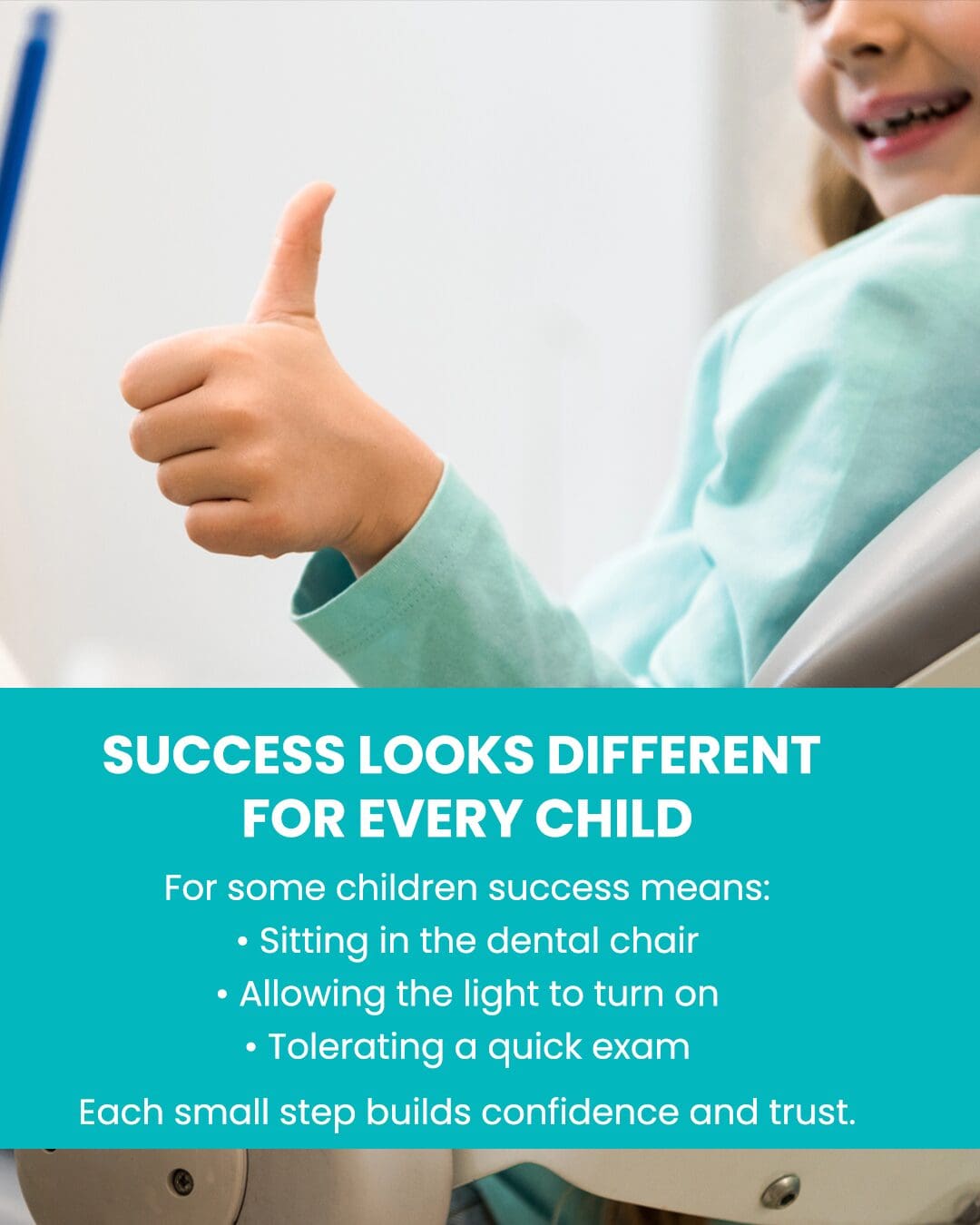
For some children, success may simply mean walking into the office, sitting in the chair, or allowing the chair to move up and down. Over time, additional steps can be added gradually.
This might include turning on the overhead light, placing a mirror in the mouth, or tolerating brief brushing. Each visit builds on the last, allowing the child to progress at their own pace.
Consistency matters. Seeing the same dental provider, using familiar language, and following the same routine helps create predictability and trust.
Partnering With Therapists and Care Teams
Collaboration can make a significant difference in successful dental visits. Board certified behavior analysts (BCBAs), occupational therapists, and speech therapists often work on skills directly related to dental care, such as oral motor tolerance, following routines, and sensory regulation.
Practicing dental-related skills during therapy sessions and using the same language across settings helps reinforce learning. For example, if a child practices “open mouth” or “hands on belly” in therapy, those same cues can be used at the dental office.
Tools That Support Success
Parents are encouraged to bring familiar sensory supports to dental appointments. These might include headphones, sunglasses, weighted items, fidgets, or a favorite comfort object.
Visual supports [2] such as social stories, picture schedules, or first-then boards help explain what will happen and when it will end.
Teaching a simple way to communicate “stop” or “break,” such as raising a hand or tapping the chair, can empower the child and build trust with the dental team.
This same principle applies to choosing a dental provider. Children are more successful when they are supported by professionals who offer choices, explain each step, and respect communication cues during appointments.
Redefining Success
Success at the dentist looks different for every child. For some, success may mean tolerating the full cleaning. For others, it may mean simply entering the office or sitting in the chair for a few minutes.
These small steps matter. Each one builds the foundation for future care.
Dental desensitization is not a quick fix. It is a gradual, compassionate process that honors sensory needs and individual differences.
With patience, flexibility, and collaboration, dental visits can become less stressful, and even positive, experiences that support lifelong oral health.
While this article focuses on dental care, the same desensitization principles apply across all medical settings. Pediatrician visits, blood draws, imaging, therapy appointments, and other healthcare encounters often involve similar sensory experiences: bright lights, unfamiliar equipment, touch, sounds, and waiting.
Using gradual exposure, predictable routines, visual supports, and choice-making can help individuals build tolerance and trust in any medical environment.
When families are empowered to choose providers who value flexibility and collaboration, healthcare becomes less about endurance and more about partnership. These small, intentional steps support not only successful appointments, but long-term comfort, autonomy, and access to care.
About Our Experts
Julia Smith is a BCBA and has worked in the field of ABA for over 15 years, providing direct therapy services and training others locally and internationally. Her focus is to create meaningful, culturally responsive, and community-centered change.
Claudia Axelrod is a BCBA and proud mother of a wonderful young adult on the autism spectrum. Guided by professional and lived experience, her mission is to empower special needs families to reach maximum potential and live fulfilling, high-quality lives.
Holly Downs, BCBA, LBA, is the Compliance Director at PBS Corp and an instructor at the Florida Institute of Technology. She has over 15 years of experience in ABA, and specializes in parent coaching, teaching, and delivering direct therapy for individuals with comorbidities.