WATCH NOW
Creating genuine friendships for children—especially those with disabilities—is about more than shared space. It’s about nurturing a true sense of belonging through intentional support. In the video below, Dr. Elizabeth Biggs from Vanderbilt University shares research-backed strategies—practical, scalable, and infused with empathy—for parents and teachers who want to foster meaningful peer connections.
Friendship is one of the most powerful gifts childhood can offer. But for children with disabilities, making genuine connections often takes thoughtful intention and support. In her insightful session, Dr. Elizabeth Biggs—a special education researcher at Vanderbilt University—shares a series of research-backed ideas that parents and teachers can use to cultivate authentic friendships between students with and without disabilities.
1. Moving Beyond “Inclusion” to Belonging
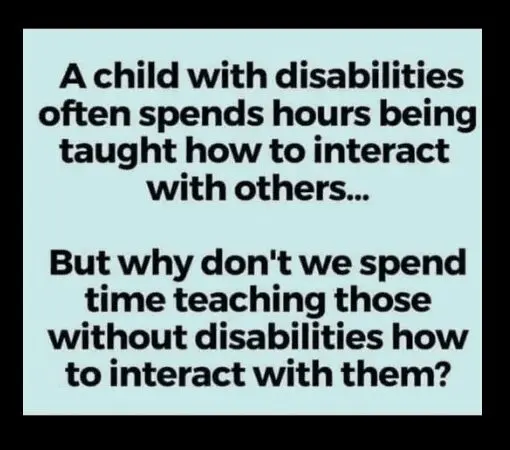
Dr. Biggs begins by reframing “inclusion” as a concept that often lacks depth—it can be as superficial as physical proximity. Instead, she encourages the richer notion of belonging—where children are welcomed, supported, heard, and genuinely befriended. This shift helps adults focus on emotional connection, not just placement.
2. Friendships Come in Different Forms
Through interviews with third- and fourth-graders, Dr. Biggs found that friendships vary—some are based on shared interests (affinity friendships), while others are deeper and more enduring. Importantly, she reminds us both are valid and meaningful. There is no “right” template of a friendship.
 [1]
[1]
3. Ingredients That Foster Friendship
Her research identified key “agents” that help friendships form:
- Communication & interaction, including patience and flexibility when someone uses AAC or gestures;
- Time together—casual or structured moments of shared activity;
- Learning about one another, even small details;
- Personal growth—how friendships teach empathy and self-awareness;
- Support from peers and adults, both reinforcing and modeling inclusion.
4. Embrace Difference as Strength
Kids described friendships as having the same core “substance” as any relationship, but with a “color filter” unique to each individual friend. In supportive environments, differences—like varied communication styles or behaviors—are seen as strengths, not deficits. But stigma and discomfort around discussing disability can hinder closeness, highlighting the need for positive adult modeling.
5. Simple Strategies with Big Impact
One standout approach: “Watch → Copy → Talk”. Peers learn to engage by observing how their friend plays, mirroring the behavior, and speaking about it—using whatever mode of communication works. Encouraging all children to use AAC tools can feel rewarding and fun—like discovering a “secret language” together.
6. Proactive, Not Passive
True friendships often don’t just “happen.” Dr. Biggs emphasizes that to cultivate them, schools and homes need to create opportunities and gently guide peer interactions with joy and naturalness. Her team is now developing practical intervention toolkits—based on this research—that teachers can use in real classrooms.
Why This Matters
By focusing on belonging, celebrating diversity, and teaching simple engagement strategies, parents and teachers can create environments where every child—regardless of ability—has the chance to build real, life-changing friendships.